- Australian tax residence is tested with the resides, domicile, 183-day and superannuation tests; your intention and ties matter.
- CGT event I1 treats assets such as shares and crypto as sold at market value when you stop being resident, unless you choose to defer.
- Australian property stays taxable in Australia, and non-residents generally lose the main residence exemption.
- No comprehensive tax treaty between Australia and the UAE was in force at the time of writing, which makes a clean break more important.
- The visa route most Australian entrepreneurs take is their own UAE company, which takes around two weeks.
Why Australians move to Dubai
Dubai has a large Australian community, and direct flights connect it with Sydney, Melbourne, Brisbane, Perth and Adelaide. The appeal is clear: Australia taxes income above AUD 190,000 at 45 % plus the Medicare levy, while Dubai does not tax personal income. Dubai is also well placed for business in Europe, Asia and Africa, with a time difference of six to seven hours to the east coast.
Summer is hot and rents are high, see cost of living in Dubai and the disadvantages of moving to Dubai.
When you stop being an Australian tax resident
The Australian Taxation Office uses several tests. You are resident if any of them applies:
- Resides test: whether you reside in Australia in the ordinary sense, based on your intention, family, assets, home and social ties.
- Domicile test: if your domicile is Australia, you stay resident unless you have a permanent place of abode outside Australia.
- 183-day test: spending more than half the year in Australia can make you resident.
- Superannuation test: applies to certain Commonwealth government employees.
For most people the domicile test is the hurdle: you need a real, permanent home in Dubai, not just a temporary stay. A long-term lease, your family moving with you and giving up your Australian home all support the case. The government has announced plans to simplify these rules, so check the current position before you leave.
Capital gains tax when you leave: CGT event I1
When you stop being an Australian resident, CGT event I1 treats your assets that are not taxable Australian property as if you had sold them at market value. This typically covers shares, managed funds and crypto assets. The gain is taxed in your final resident return.
- Deferral: you can choose to treat these assets as taxable Australian property instead. The tax is then deferred until you actually sell, but the assets stay within Australian CGT.
- CGT discount: the 50 % discount is generally not available for gains that accrue while you are non-resident.
- Australian real estate is not covered by CGT event I1 because it stays taxable anyway. If you sell your former home while non-resident, the main residence exemption is generally no longer available.
Super, HELP debt and Medicare
- Superannuation: your super stays invested in Australia. As an Australian citizen or permanent resident you generally cannot access it before preservation age just because you move abroad.
- HELP and HECS debt: if you live overseas, you must register as an overseas debtor and report your worldwide income each year; repayments are calculated on it.
- Medicare: ends when you move. Health insurance is mandatory in Dubai, see health insurance in Dubai.
- Rental and dividend income from Australia remains taxable in Australia; dividends to non-residents are subject to withholding tax unless franked.
Because no comprehensive double tax agreement between Australia and the UAE was in force at the time of writing, there is no treaty tie-breaker if both countries could treat you as resident. A clear break and good records of your days abroad matter all the more.
Your Australian company
An Australian company can stay Australian resident if its central management and control remains in Australia, and managing it from Dubai raises questions in both countries. Many clients keep the Australian company for Australian business and set up a UAE company for everything they do from Dubai.
The route to a UAE residence visa
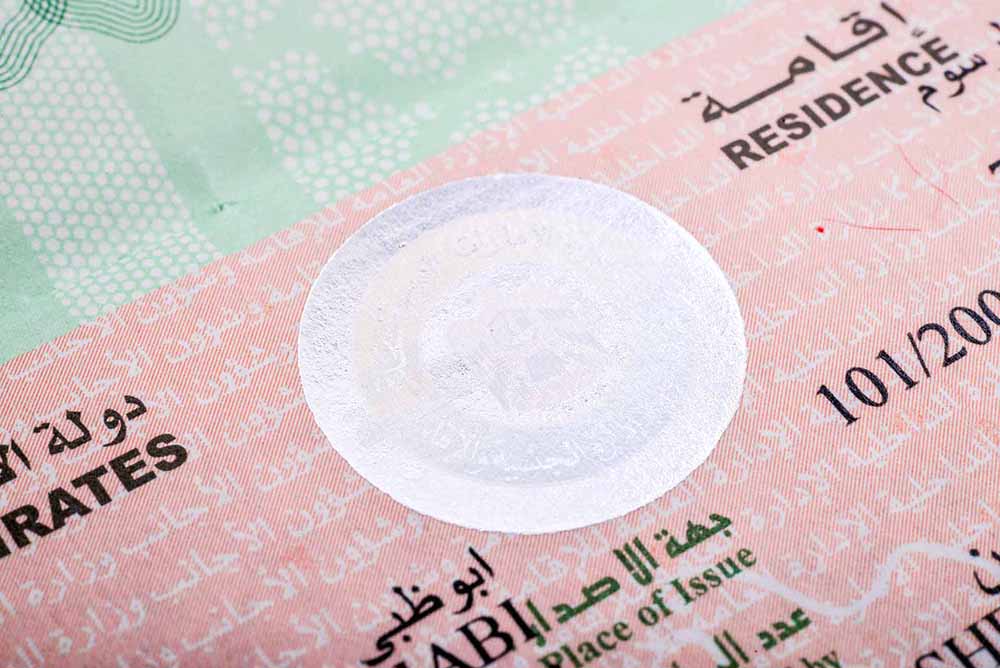
Most of our clients move with their own company. You set up a company in a Freezone or on the mainland, the company sponsors your residence visa, and you receive your Emirates ID. The whole process usually takes around two weeks, of which you only need to be in Dubai for two to three days: entry, medical test and biometrics.
- Company formation: the most common route for entrepreneurs and freelancers. Which licence and which zone fit depends on your activity, see how to start a business in Dubai and Mainland vs Freezone.
- Golden Visa: a ten-year residence permit, for example when you buy property worth at least AED 2 million, see Golden Visa Dubai.
- Employment: if a UAE employer hires you, the employer sponsors your visa.
For the UAE to confirm you as tax resident (the Tax Residency Certificate you may need towards your home country), you generally need to spend 183 days a year in the UAE, or 90 days if you also hold a UAE residence visa and have a permanent home or job there. Personal income is not taxed in the UAE; companies pay 9 % corporate tax on profits above AED 375,000, and qualifying Freezone income can be taxed at 0 %, see taxes in Dubai.

Moving from Australia?
Book a free 20-minute initial consultation with Clemens Kohlbacher, Senior Consultant, and get an honest assessment of whether and how Dubai fits you.
Book nowPractical steps for Australians
- Driving licence: an Australian licence can be exchanged for a Dubai licence, see driving licence in Dubai.
- Banking: tell your Australian bank you are becoming non-resident so it applies non-resident withholding correctly; open a UAE account once you have your Emirates ID, see opening a bank account in Dubai.
- Housing and schools: see where to live in Dubai and schools in Dubai.
Checklist
- Check the residency tests and plan a permanent home in Dubai.
- Value your shares and crypto, estimate CGT event I1 and decide whether to defer.
- Choose your visa route and set up your UAE company.
- Update your address and residency status with the ATO, your bank, your super fund and, if relevant, your HELP account.
- Move, complete medical test and biometrics, open your UAE bank account.
Frequently asked questions
Do I pay Australian tax if I move to Dubai?
Once you are non-resident, Australia only taxes Australian-source income such as rent and unfranked dividends. Your income earned in Dubai is no longer taxed in Australia.
What happens to my shares when I leave Australia?
CGT event I1 treats them as sold at market value when you stop being resident. You can choose to defer, but the shares then remain within Australian capital gains tax until you sell.
Can I access my super when I move to Dubai?
Generally not. As an Australian citizen or permanent resident, your super stays preserved until you meet a condition of release such as reaching preservation age and retiring.
Is there a tax treaty between Australia and the UAE?
No comprehensive double tax agreement was in force at the time of writing. That is why a clean break of your Australian residency matters so much.
Summary
For Australians, the two big topics are the residency tests, especially the domicile test, and CGT event I1 on your shares and crypto. Plan a permanent home in Dubai, decide on deferral before you leave and update the ATO, your bank and your super fund. With your own UAE company, the residence visa takes about two weeks.
For the general process, costs and the pros and cons, see our main guide moving to Dubai. Tax rules change often and depend on your personal situation: treat this guide as an overview and get individual advice before you leave. We are happy to help in a free initial consultation.
Thinking about moving to Dubai?
Get our free Dubai relocation guide now: 7 tips on moving, company formation, visas & more.

You might also like