More and more people want to emigrate to Dubai, but one of the first questions they ask themselves is: Can I afford it? How much does it cost to live in Dubai?
In major European cities, prices for housing, food, transportation and more are often similar, but what about Dubai? In this comprehensive article, we look at the cost of living in Dubai and answer the question with practical examples.
- A single person at an upmarket standard comes to around 3,900 € a month, a couple at about 5,500 € and a family with one child at around 7,400 €.
- By far the biggest item is rent: depending on lifestyle it accounts for 45 to 55 % of monthly spending.
- In Dubai rent is paid annually in advance , classically in one to four cheques. When you move, that is the biggest single chunk.
- More expensive than in Europe are rent, school, health insurance and imported groceries. Cheaper are petrol, cars, taxis, mid-range restaurants and domestic help.
- Decisive for the overall picture: 0 % income tax and no social contributions. Practically all of the gross remains as net, which is what offsets the higher outgoings.
How expensive is life in Dubai?
Broadly speaking, life in Dubai can definitely be more expensive in certain aspects, but also significantly cheaper in others. Therefore, here's a breakdown of costs by expense items such as housing, car, groceries, etc., that occur in everyday life.
Housing
Arguably, one of the most exciting points is definitely housing. Because in hardly any other city is the range as wide as in Dubai. Where cheap studio apartments on the outskirts cost a few hundred euros per month, up to luxury villas on the Palm that cost more than €100,000 per month.
However, if you take the average as a basis, you can say that an apartment in Dubai with the following criteria:
- 1 bedroom
- 1-2 baths
- Close to the city center (15 minutes by car)
- New building
- Parking lot
- Pool & Gym in the building
- Balcony
usually around €2,000 per month. This includes the costs for internet, DEWA (water and electricity), as well as maintenance costs for the building. Below is an example of such an apartment in the building “The Grand” in the popular Creek Harbour district. This even includes a tennis court.
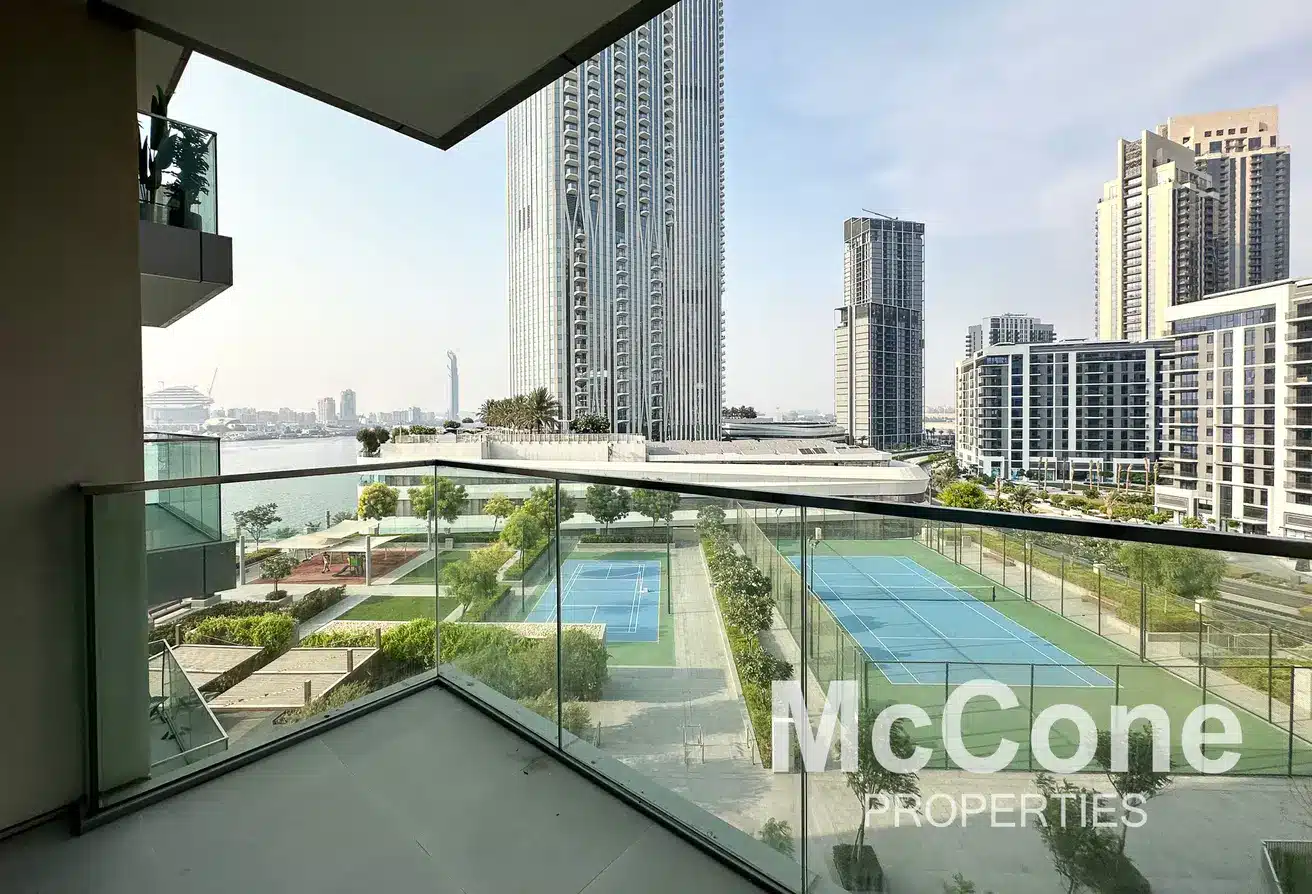
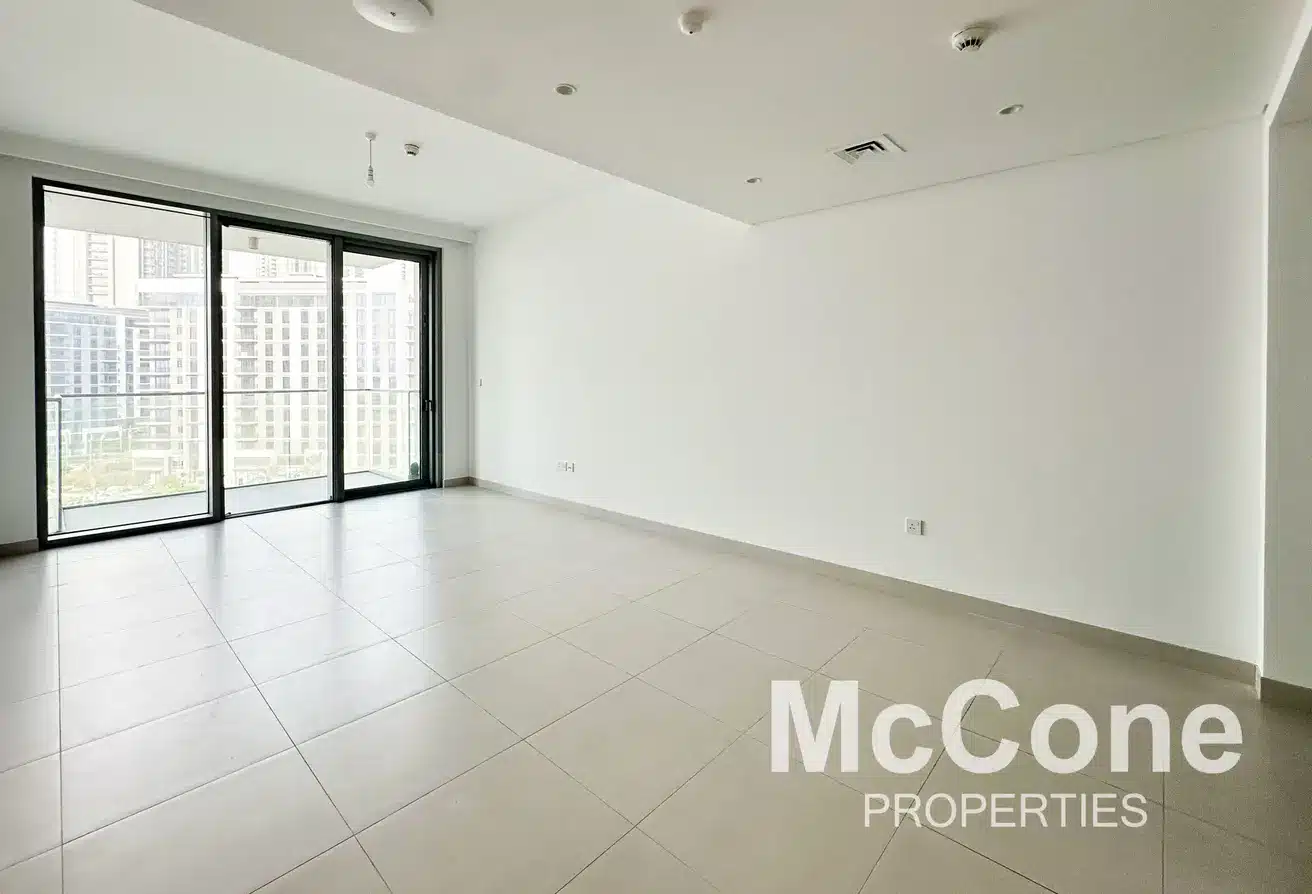
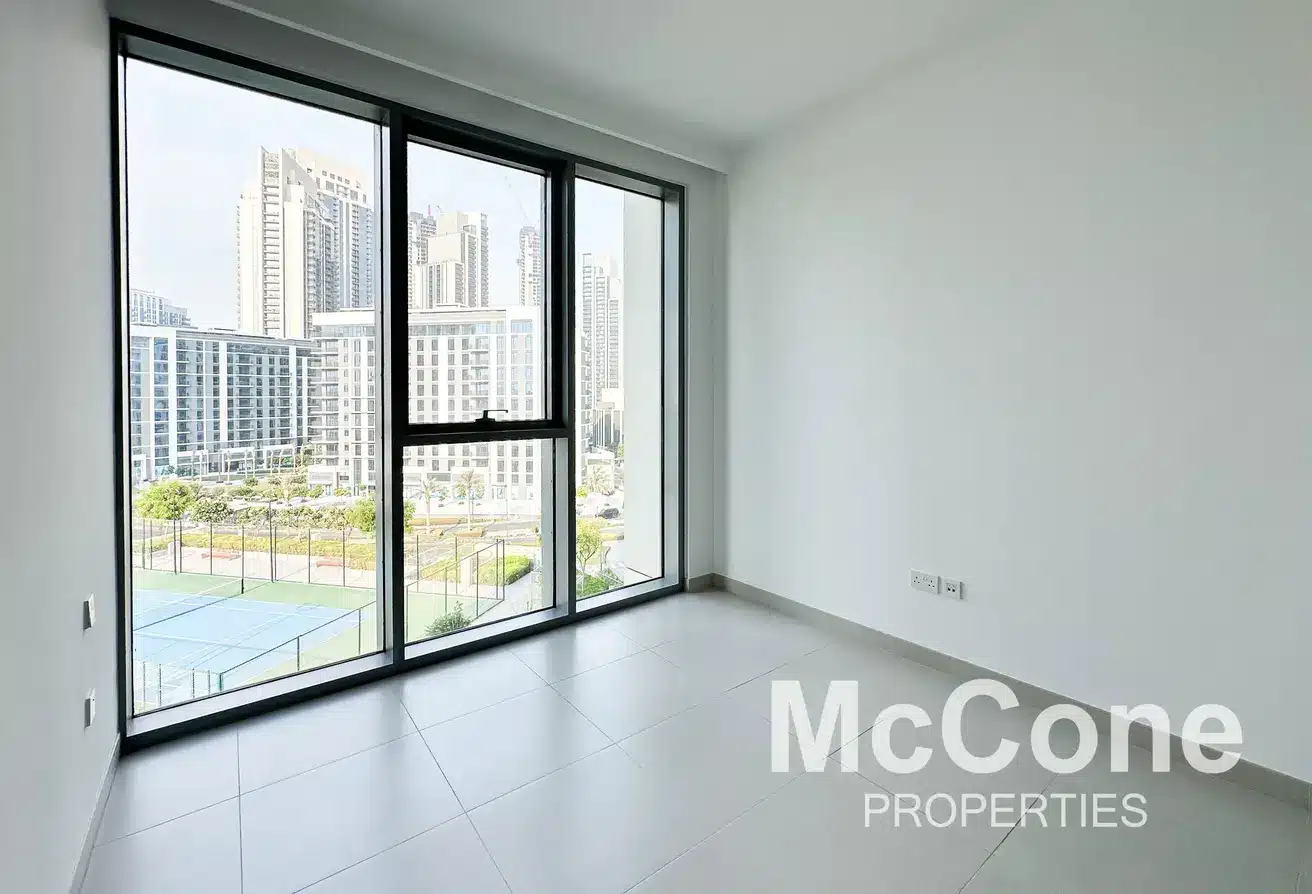
For a 2-bedroom apartment in the same building, you pay approximately €3,500 per month. Prices in the same building can vary significantly depending on the orientation (view) and layout.
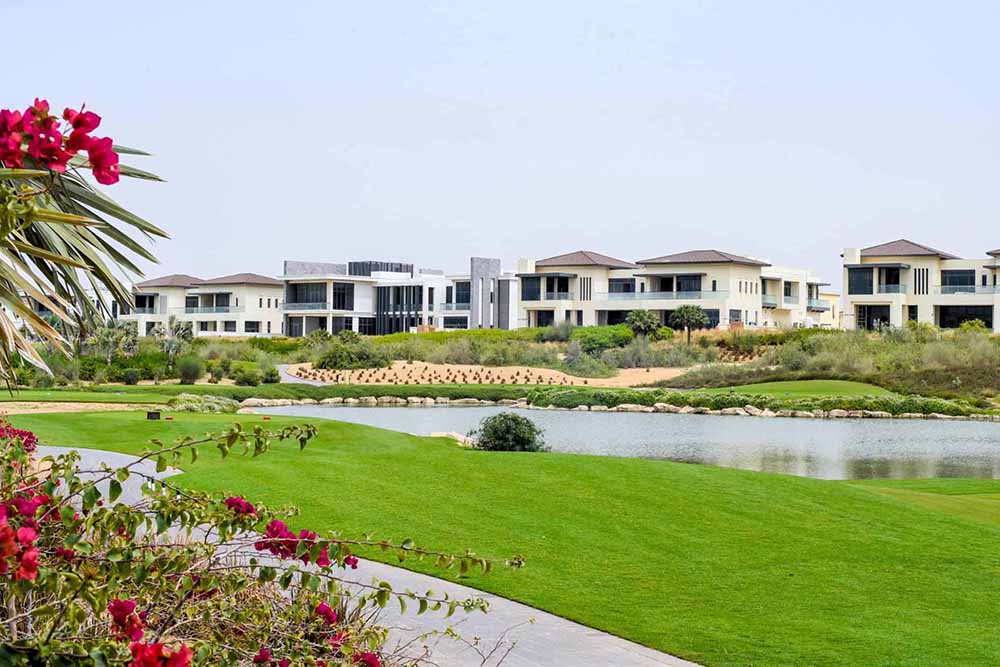
Another example, a bit cheaper, in the popular Dubai Hills area. Here you live close to a large park, a beautiful [blank] and a golf course. Generally, Dubai Hills is suitable for everyone due to its location, as it is in the middle of the city. Midway between Downtown and Marina/JBR, the two biggest hotspots in the city. The total costs, including service charges, electricity, and internet, are around €3,500 per month for a 2-bedroom apartment.
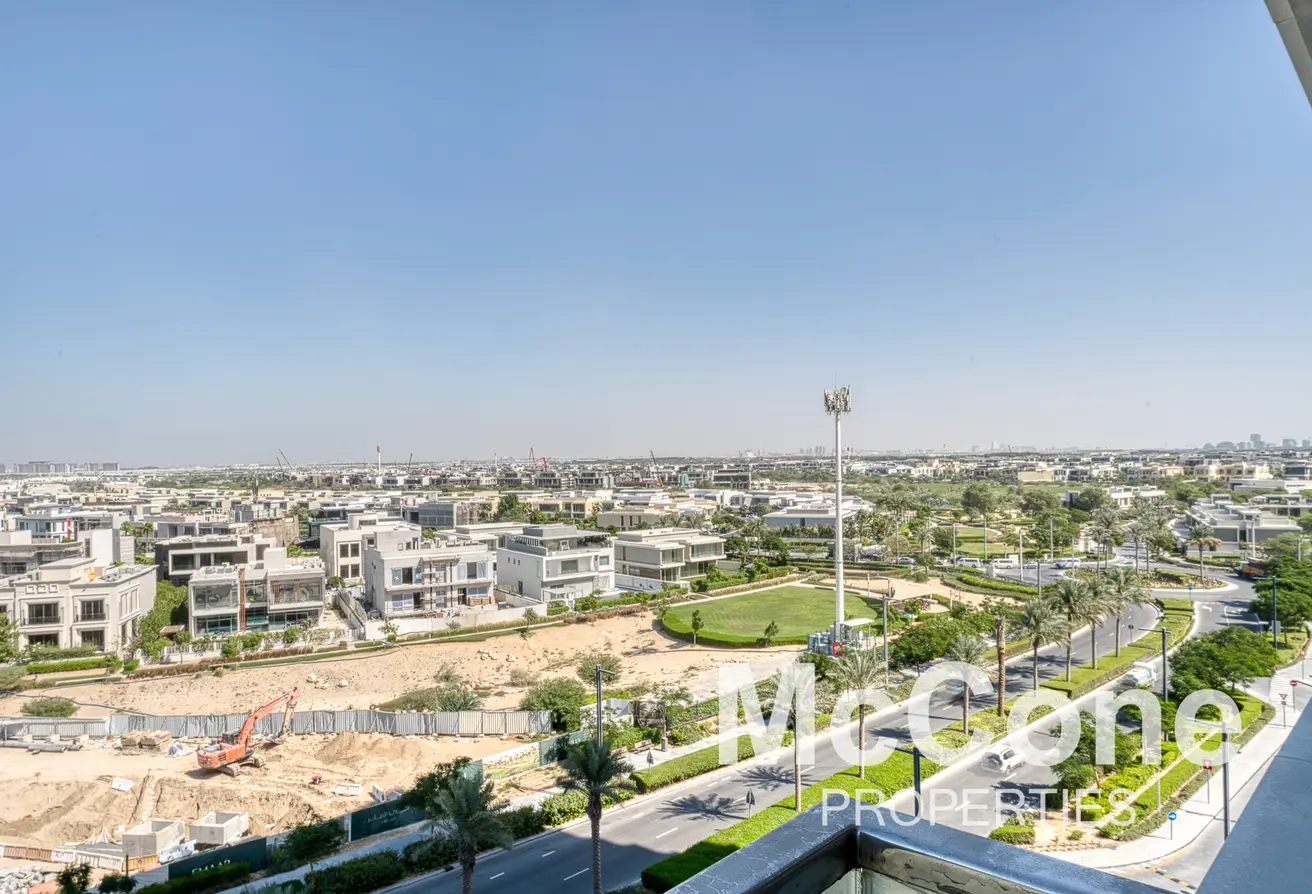
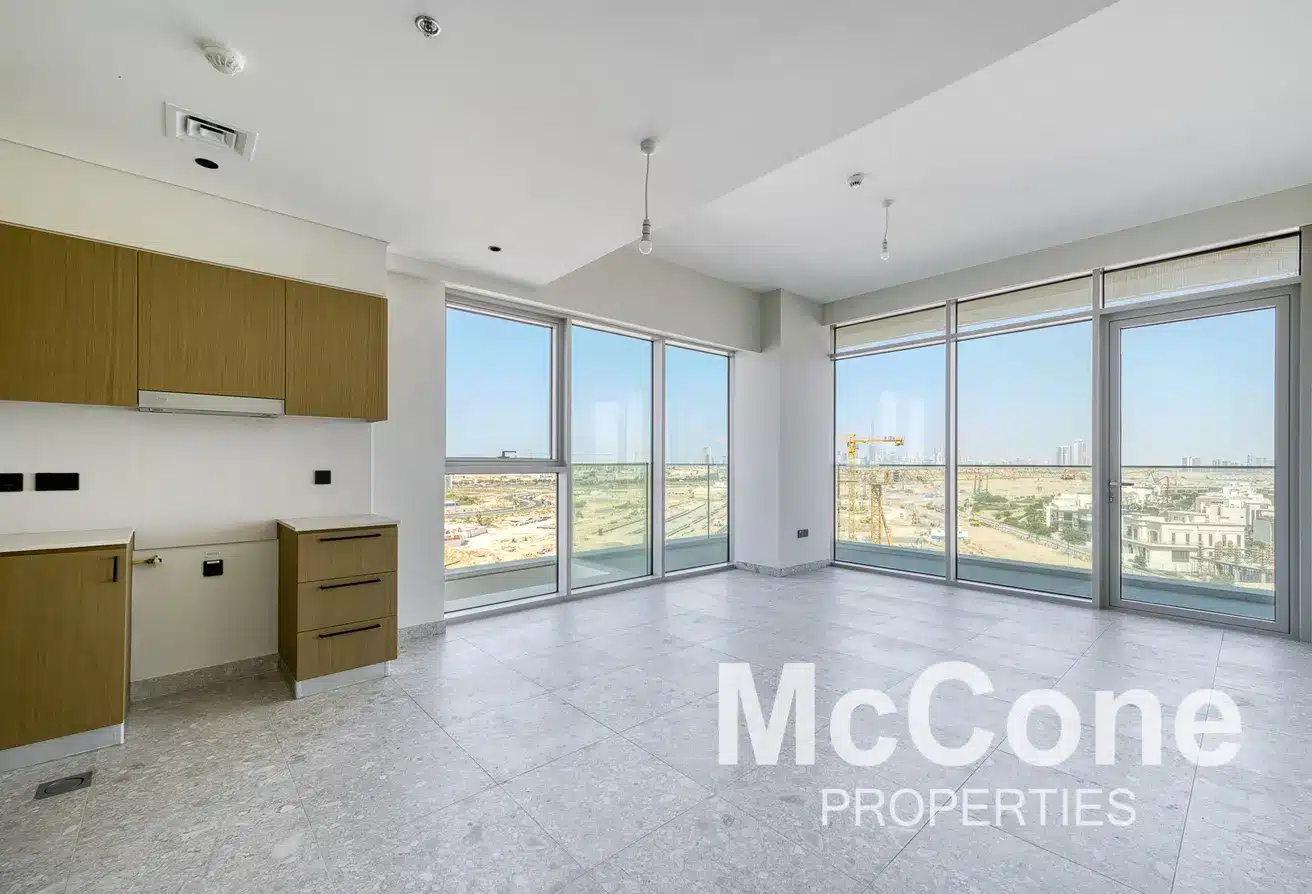
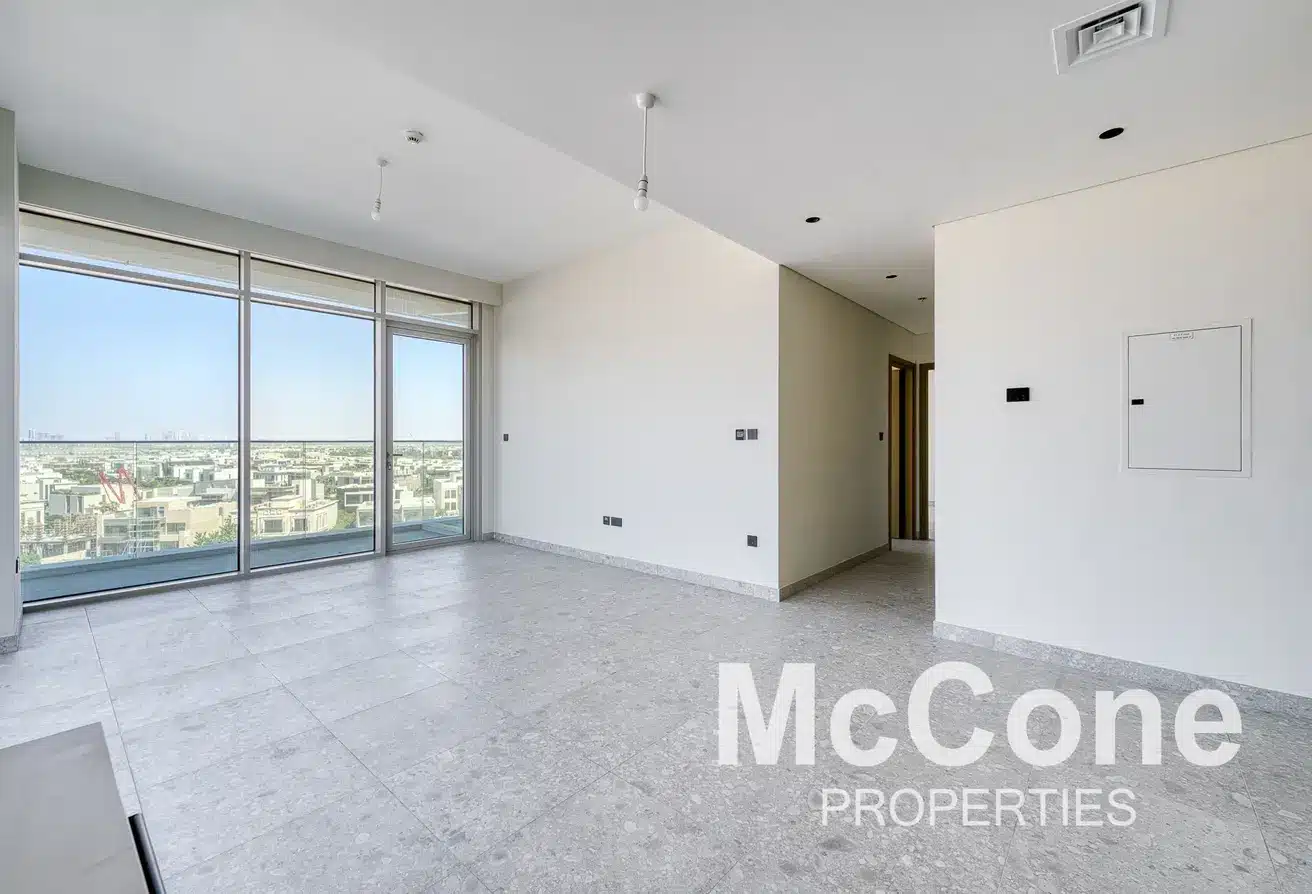
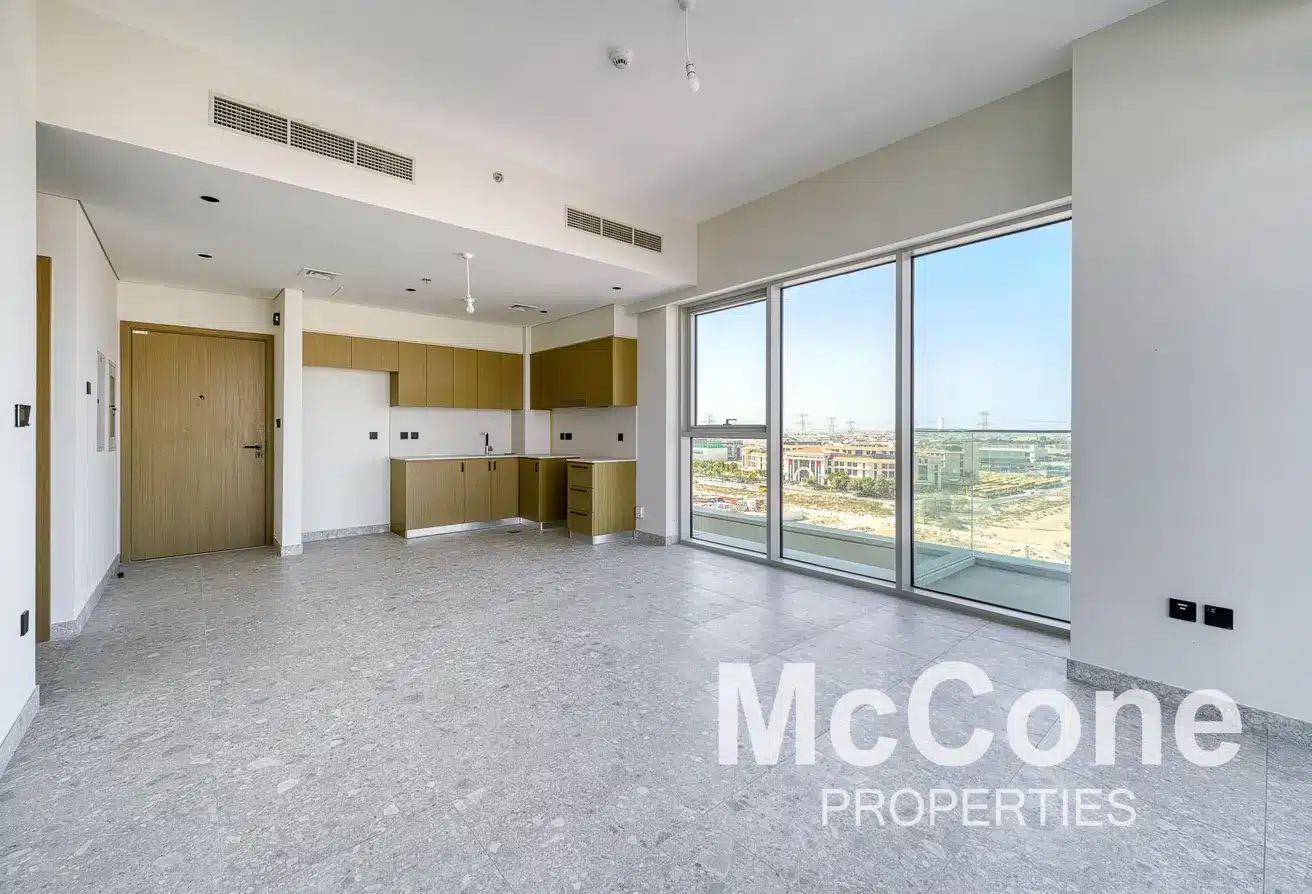
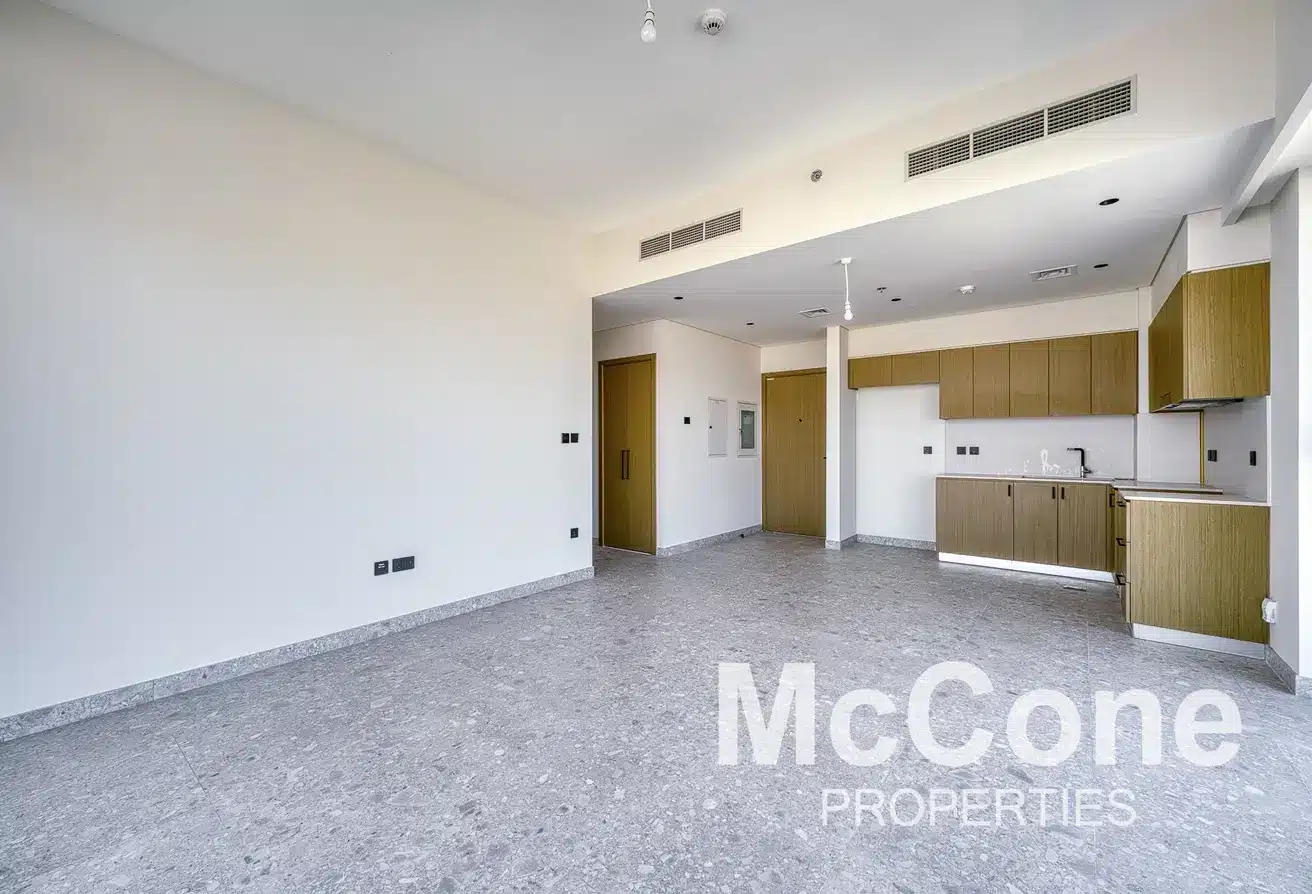
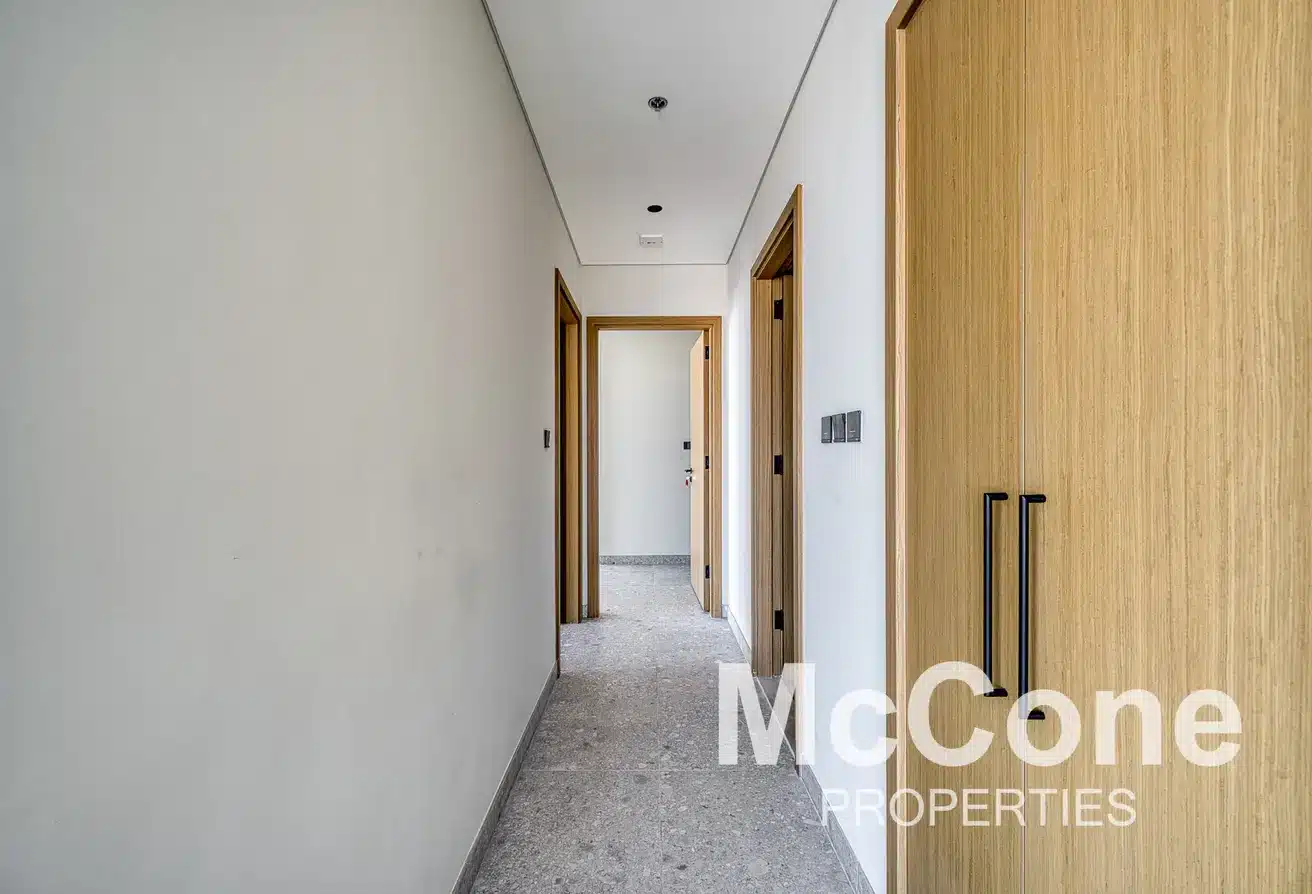
Apartment prices generally vary greatly, depending, as already mentioned, on location, but also on orientation and, logically, size. Location is the main factor here, because exclusive locations like Palm Jumeirah, Emirates Hills, DIFC, and the like cost accordingly much more.
Groceries
Another important cost in life is food. Here, too, there is a wide range in Dubai. As a general rule, however, it can be said in advance that food in Dubai is definitely more expensive than in Europe. Especially when it comes to high-quality organic food.
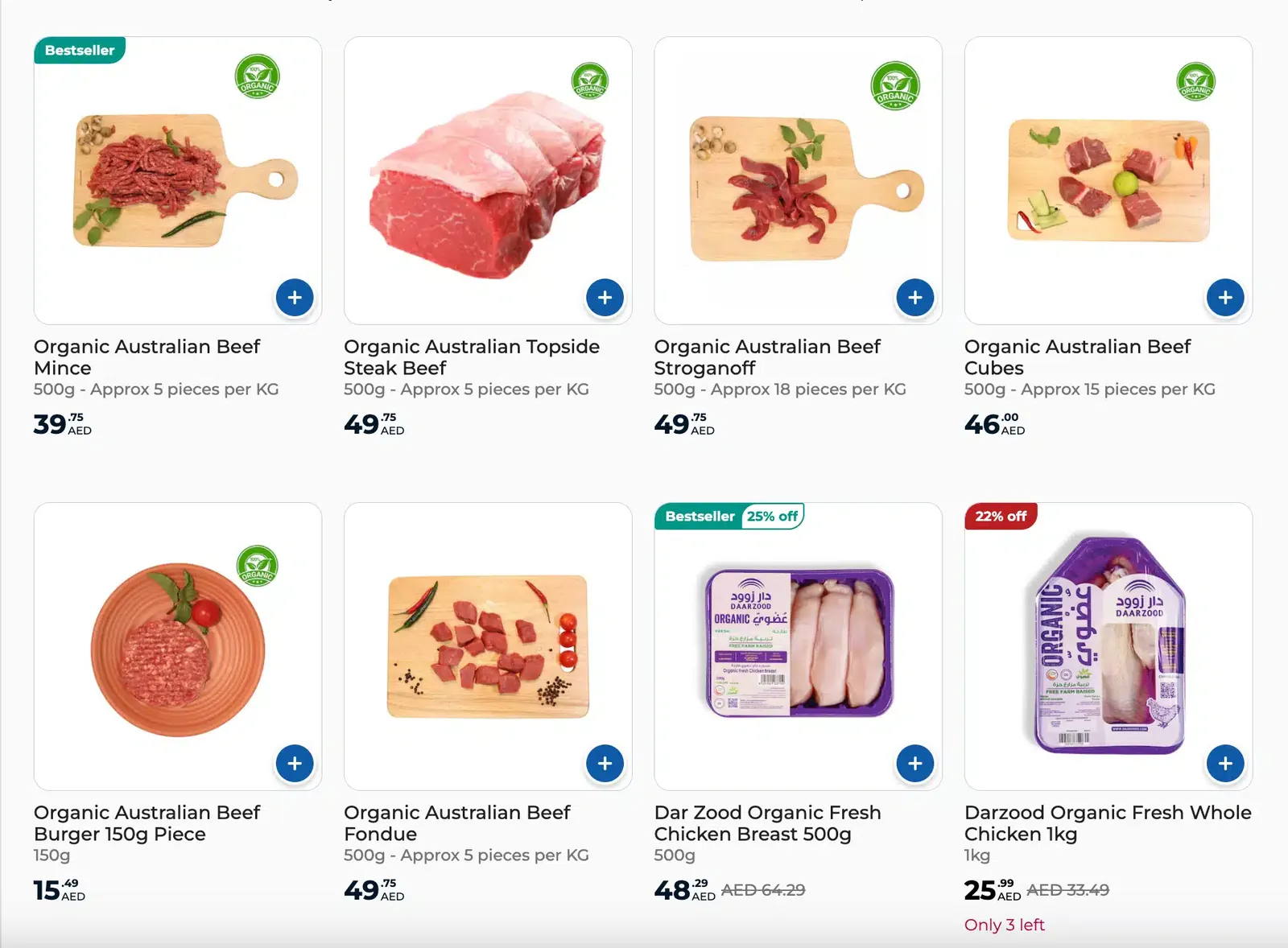
Below is an example of food prices from the large supermarket chain Carrefour in Dubai for fruit and vegetables in AED. Simplified you can divide by 4 and you get the euro prices for the following organic foods:
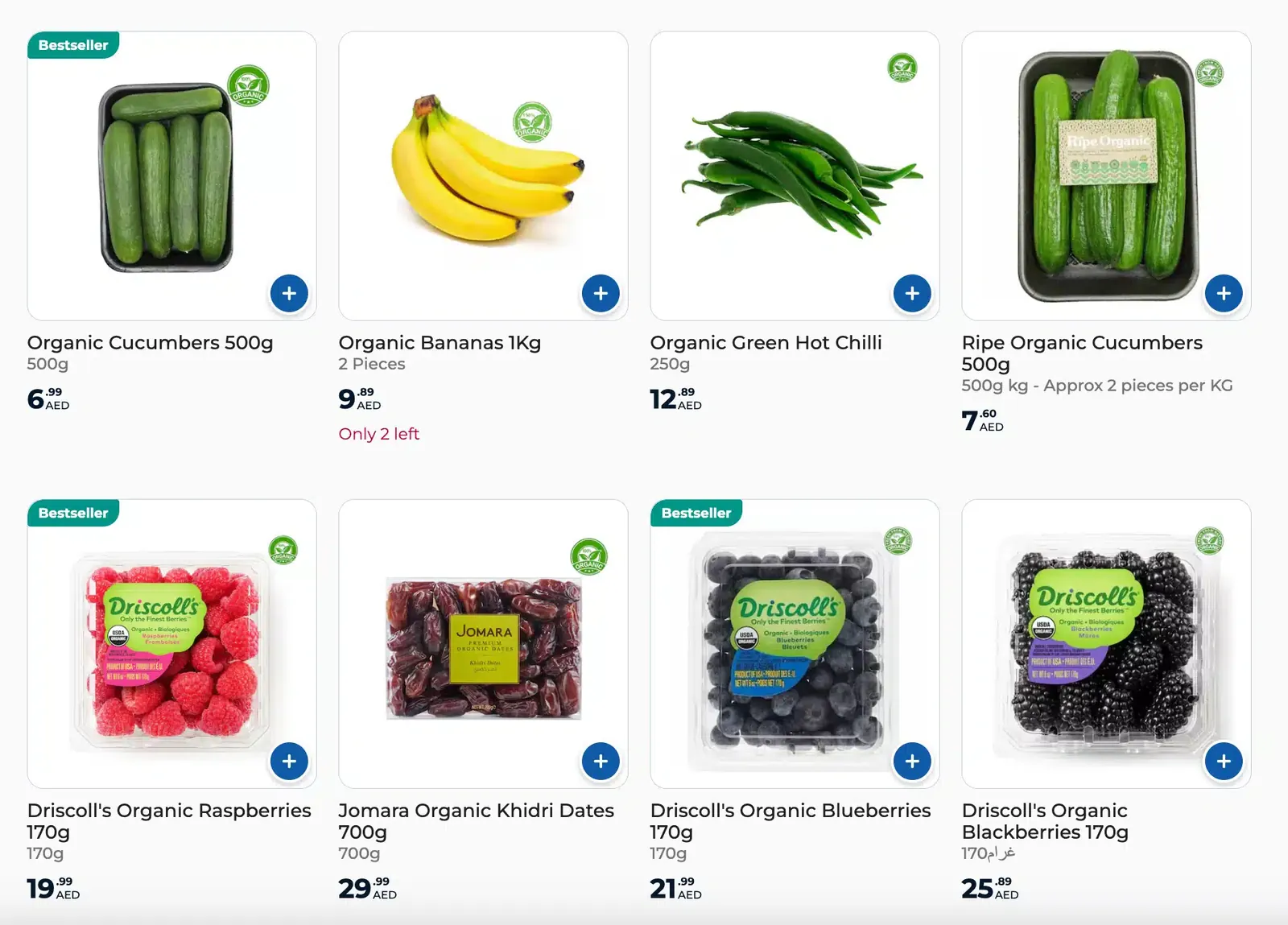
- 2.50 € per 1 kg of bananas
- 2 € for 500g cucumbers
- €5.50 for 170g of blueberries
- 5 € for 170g raspberries
Looking at the meat, you can also see that the prices are somewhat higher than those in Germany, Spain, France, Italy, or Austria. Here, again, are the following European prices for various types of organic meat:
- 10 € for 500g ground meat
- 12.50 € for 500g steak
- 12.50 € for 500g of chicken breast
- $6.50 for 1kg whole chicken
Of course, if one doesn't buy organic and buys in larger quantities, the prices naturally decrease. However, these target prices are realistic for high-quality food in Dubai. Only local products like dates are significantly cheaper than in Europe. One should expect to spend around €600 or more per month on groceries in Dubai.
Restaurants
It's similar with restaurants in Dubai. If you skimp on quality and eat cheaply in an Indian neighborhood, you can get lunch for under €10. However, if you dine in DIFC, the Palm, or generally in a hotel restaurant, you'll definitely pay over €50 per person. For a fancy dinner for two, you'll usually expect to pay €150.

Anyone ordering through food delivery apps naturally gets a better deal, even if the quality of the food can be debated again. As a rule, you can order a bowl for around €20 per person.
Phone & Internet
An essential point is telephony and internet. In Dubai, you usually have to dig a little deeper into your pockets for this. Depending on the speed or data volume for mobile contracts, you'll be looking at €50 or more for mobile service and €100 and up for fast fiber optic internet.
This means that as an individual, you can expect to pay a solid €150 or 600 AED for a mobile phone contract and a stable home internet connection.
Car
Cars are definitely cheaper in every respect in Dubai than in Germany, and especially Austria and Switzerland. Both in terms of purchase price and maintenance, cars are significantly cheaper in Dubai than in Europe. This is because the value-added tax is only 5 % and fuel is also cheaper. In addition, there is no vehicle tax or Standard consumption tax as in Austria. Insurance is also much cheaper.
The following brand new RSQ 8 Performance with carbon package, ceramic brakes, and much more, costs approximately €155,000 to purchase.
In Austria or Spain, you'll pay well over €200,000 for a car like that, and in Germany, you'll also get close to the 200,000 mark. Driving in Dubai is therefore significantly cheaper, especially when it comes to luxury cars with a lot of horsepower.
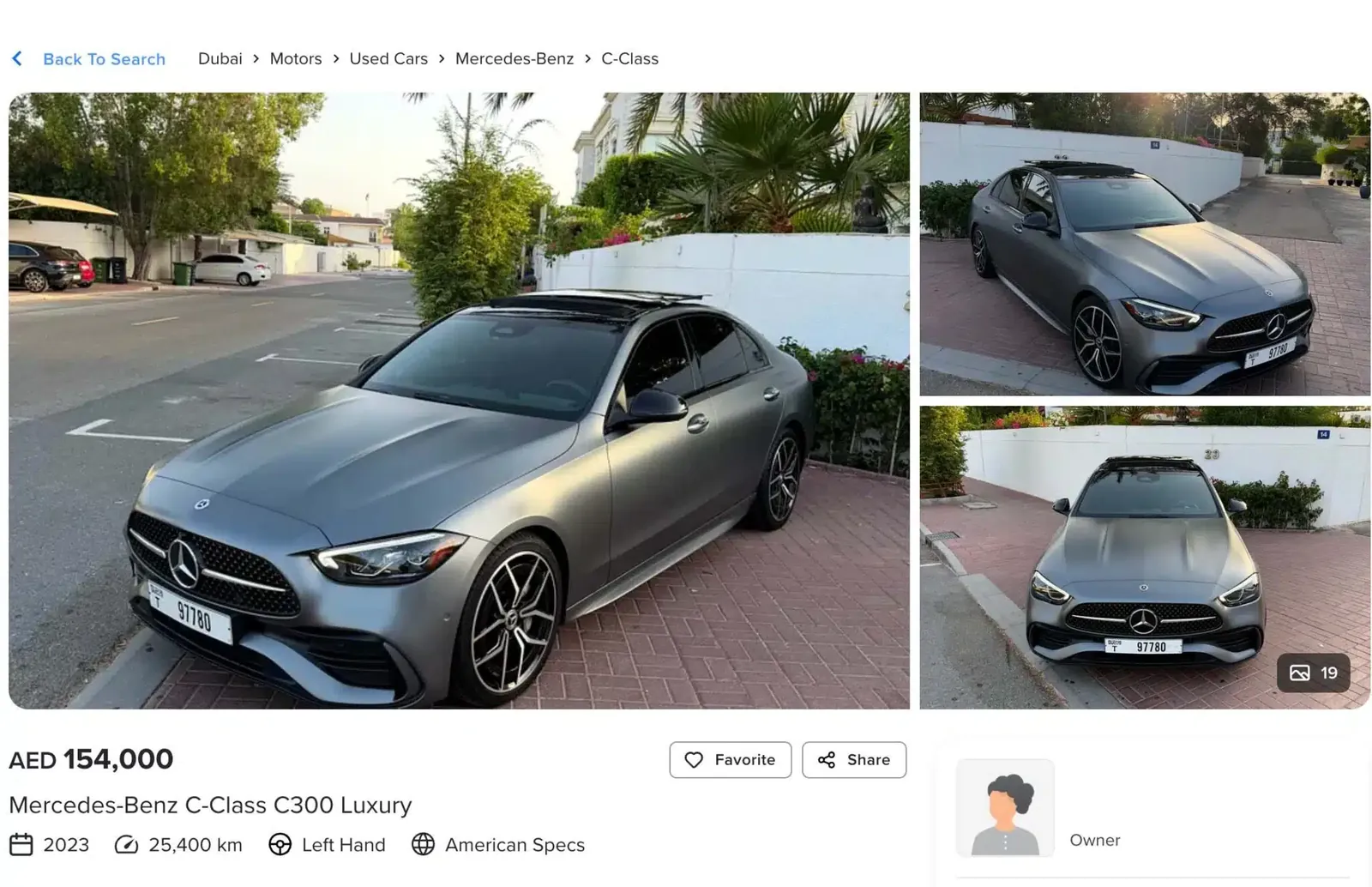
Upper mid-range cars like a Mercedes C-Class, BMW 5 Series, or an Audi A5 in used, but very good condition, can be found for around €30,000–€40,000. These would cost almost double in many European countries.

Aside from the affordable purchase price, comprehensive insurance, fuel, and any potential repairs are also generally much cheaper than in Europe. Thus, driving in Dubai is comparatively inexpensive.
Parking at home is also free, as every house and residential building is required to provide sufficient parking spaces (for each residential unit). Those who park publicly usually only have to expect €1-2 ($4-8 AED) per hour. It usually only gets more expensive on the Palm Jumeirah or in luxury resorts.
Cab & Uber
However, those who wish to travel by taxi or Uber will also save, as the prices here are also much lower. This is also because the labor costs for taxi drivers are lower, as are the purchase and maintenance of cars. A trip of over 10 km usually costs less than €10.
School
Anyone who wants to place their children in a good school in Dubai will definitely have to pay. Most schools in Dubai are private schools, and the costs are correspondingly high. Good primary schools start at €500 per month, and for higher levels (secondary school or high school), you pay €1,000 or more per child per month. In return, you get an internationally recognized, high-quality education for your children. They usually speak several languages fluently before they graduate.

In general, life is significantly more expensive for families in Dubai, as the main costs (housing, groceries, and education) are most felt here. This should be kept in mind before one considers Family with children emigrates to Dubai. However, those who can afford it get a lot and provide their children with an excellent education.
Insurance
Basically, it is mandatory in Dubai to insure yourself for illness and accidents. If you are not employed and your employer covers it, you must get your own Health insurance in Dubai concluding. The costs for this are significantly lower than in many European countries. Depending on age, pre-existing conditions, and choice of coverage, you can get solid insurance for around €100-€150 per person and use the best hospitals in Dubai.
It only gets more expensive with international health insurance that covers you beyond Dubai. This is highly recommended for all those who travel a lot.
Sport & Leisure
Another important point, of course, is sports and leisure. Generally, the costs here are individual, but comparatively low. Above all, sports can be done in Dubai with little to no cost.
Gym
Every residential building or community generally has a swimming pool and its own gym. These are free or included in the rent. Thus, in theory, one would not have to account for any costs for sports.
Beach
Even public beaches like Kite Beach are free. You only have to pay for transportation, unless you live nearby.
Padel
Those who enjoy playing the trend sport Padel will also find that there are affordable courts to rent in Dubai. If you avoid Instagram spots like Matcha Padel & Co., you can still get a court for €20 per hour (80 AED).
Tennis, on the other hand, is relatively expensive. Here, a private lesson costs a good 300 AED, which is about 75 €.
Flights home
An important point that many forget is flights back home. Typically, many expats fly home 1 to 2 times a year to celebrate Christmas or Easter with the rest of their family. This should be factored in, as long-haul flights are not always cheap, and it can really add up for a family with several members.
Rents by flat size and location
Because rent overshadows everything else, a closer look pays off. In Dubai the annual rent is quoted, not the monthly one, and it is paid in advance, classically in one to four cheques. Monthly payment is now more widely available, but usually at a premium.
| Flat | Annual rent (AED) | per month | Typical location |
|---|---|---|---|
| Studio | 45.000 – 90.000 | approx. 1,000 – 2,000 € | JVC, Silicon Oasis, Business Bay |
| 1 bedroom | 75.000 – 140.000 | approx. 1,700 – 3,100 € | Creek Harbour, Business Bay, JVC |
| 2 bedrooms | 120.000 – 230.000 | approx. 2,700 – 5,100 € | Marina, Downtown, Creek Harbour |
| 3 bedrooms | 160.000 – 320.000 | approx. 3,500 – 7,100 € | Dubai Hills, Marina, Downtown |
| Villa, 4 bedrooms | from 250,000 | from approx. 5,500 € | Arabian Ranches, Dubai Hills, Damac Hills |
Ranges for the sought-after residential areas, as of September 2026. The market has risen noticeably of late; according to Bayut the average apartment rent is around 117 AED per square foot, about 9 % above the previous year. It gets considerably cheaper in International City, Deira, Al Nahda or Dubai South, and more expensive on Palm Jumeirah and in the DIFC.
What comes on top of the rent
- Deposit: as a rule 5 % of the annual rent, 10 % for furnished flats
- Agency fee: usually 5 % of the annual rent, one-off
- Ejari registration: around 220 AED, mandatory for the visa and the DEWA connection
- Housing fee: 5 % of the annual rent, monthly via the DEWA bill to Dubai Municipality
- DEWA deposit: 2,000 AED for apartments, 4,000 AED for villas, refunded when you move out
For a flat with an annual rent of 100,000 AED that adds up to around 12,000 AED of extras in the first month, on top of the rent itself. This is the item almost everyone underestimates when they move.
Sources: bayut.com: Rental Index, propertyfinder.ae, Dubai Municipality
What individual things cost
Monthly totals are abstract. Individual prices are more concrete, and they surprise in both directions.
| Item | Price | Compared with Europe |
|---|---|---|
| Litre of milk | approx. 6 AED1,50 € | slightly more expensive |
| Bread, 500 g | approx. 6 AED1,50 € | comparable |
| Chicken breast, 1 kg | approx. 28 AED7 € | slightly more expensive |
| Coffee in a café | 20 – 30 AED5 – 7,50 € | considerably more expensive |
| Lunch, simple restaurant | 40 – 70 AED10 – 18 € | comparable |
| Dinner for two, mid-range restaurant | 250 – 450 AED60 – 110 € | more expensive |
| Petrol, 1 litre | approx. 2.90 AED0,72 € | considerably cheaper |
| Taxi, 10 km | 30 – 40 AED7 – 10 € | cheaper |
| Metro, monthly pass | from 350 AEDapprox. 87 € | comparable |
| Gym, per month | 250 – 600 AED60 – 150 € | more expensive |
| DEWA, one-bedroom flatelectricity, water; much higher in summer | 250 – 600 AED60 – 150 € | cheaper |
| Home internet, 250 Mbit | 300 – 400 AED75 – 100 € | considerably more expensive |
| Domestic help, per hour | 30 – 45 AED7,50 – 11 € | considerably cheaper |
| International school, per year | 35,000 – 100,000 AED9.000 – 25.000 € | considerably more expensive |
Indicative figures, as of September 2026, converted at 4 AED to the euro. DEWA's electricity tariffs are tiered and rise sharply in summer because of air conditioning; in a villa with a garden they quickly reach three to four times those of a flat. A market overview based on user data is kept by Numbeo.
Total cost of living in Dubai
The overall cost of living is more expensive than in most European cities, with the exception of Switzerland and London. Below are two living situations and their monthly costs for comparison.
| Category | Single person | Family · 1 child |
|---|---|---|
| Housing incl. utilities | 2.000 € | 3.000 € |
| Groceries | 600 € | 1.200 € |
| Restaurants & going out | 250 € | 350 € |
| Transport Car/taxi | 250 € | 500 € |
| Health insurance | 200 € | 500 € |
| School & childcare | – | 1.000 € |
| Internet & mobile | 150 € | 200 € |
| Leisure & fitness | 200 € | 350 € |
| Other | 200 € | 300 € |
| Total per month | ≈ 3.850 € | ≈ 7.400 € |
Guide figures in EUR per month, upper-mid standard, central location. Rounded. Source: Dubai Setup, as of 2026.
Three household situations compared
The table above sets a single person against a family. A couple without children falls in between; here are all three cases side by side:
| Category | single person | Couple | Family · 1 child |
|---|---|---|---|
| Housing incl. utilities | 2.000 € | 2.600 € | 3.000 € |
| Groceries | 600 € | 950 € | 1.200 € |
| Restaurants & going out | 250 € | 450 € | 350 € |
| Transport | 250 € | 400 € | 500 € |
| Health insurance | 200 € | 400 € | 500 € |
| School & childcare | – | – | 1.000 € |
| Internet & mobile | 150 € | 180 € | 200 € |
| Leisure & fitness | 200 € | 350 € | 350 € |
| Something else | 200 € | 250 € | 300 € |
| Total per month | ≈ 3.850 € | ≈ 5.580 € | ≈ 7.400 € |
Indicative figures for an upmarket standard close to the centre, as of September 2026. Anyone living more modestly, say in JVC or Silicon Oasis instead of the Marina, and eating out less often, gets by as a single person on 2,500 to 3,000 €. Upwards, the range is open.
Dubai and Germany compared directly
Whether Dubai is more expensive than Germany cannot be answered in a word, because the items move in opposite directions:
| Item | Dubai | Deutschland | Verdict |
|---|---|---|---|
| Rent, 1 bedroom, central | 1.700 – 3.100 € | 900 – 1.600 €Munich, Frankfurt | Dubai considerably more expensive |
| Health insurance | 200 – 400 € | approx. 900 € maximum statutory contributionemployee and employer share | Dubai cheaper |
| School | 750 – 2,000 € / month | 0 € state schools | Dubai considerably more expensive |
| Petrol, 1 litre | approx. 0.72 € | approx. 1.75 € | Dubai half the price |
| Domestic help, per hour | 7,50 – 11 € | 18 – 25 € | Dubai considerably cheaper |
| Groceries, weekly shop | approx. +20 – 30 %for European brands | baseline | Dubai more expensive |
| Income tax & social contributions | 0 % | approx. 40 – 48 % total burden | the real difference |
The comparison only tips at the net figure. A gross income of 8,000 € leaves around 4,600 € net in Germany; in Dubai around 8,000 € of it remains. That is why Dubai is more expensive in absolute spending but cheaper in disposable income for most people. What levies actually arise is set out in the guide Taxes in Dubai.
Frequently asked questions
Below is an overview of the most frequently asked questions regarding the cost of living in Dubai.
How much do I need to earn to live in Dubai?
Given the increased cost of living in many areas, especially rent and groceries, one should definitely earn more than in numerous European cities. For individuals, we generally recommend €5,000 net, and for couples with a child, it should be €7,500 household income per month.
Is Dubai more expensive than Germany?
Overall, Dubai is more expensive than Germany, especially when it comes to rent, groceries, and education. Only Munich or parts of Hamburg can compete with Dubai's rental prices. Only personal employees like cleaning ladies or nannies are cheaper.
How much does it cost to live in Dubai?
As a single person at an upmarket standard around 3,900 € a month, as a couple about 5,600 €, as a family with one child around 7,400 €. Living more modestly and eating out less often, a single person gets by on 2,500 to 3,000 €. The biggest item is always rent, at 45 to 55 % of spending.
Can you live in Dubai on 4,000 euros a month?
As a single person yes, and comfortably: a one-bedroom flat in a good area, a car, meals out and a gym membership all fit. For a couple it gets tight, and for a family with a school-age child it is not enough, because the international school alone costs 750 to 2,000 € a month.
How much rent do you pay in Dubai?
A studio costs 45,000 to 90,000 AED a year, a one-bedroom flat 75,000 to 140,000, two bedrooms 120,000 to 230,000. Payment is annual in advance, in one to four cheques. On top come the one-off deposit, agency fee and Ejari, together around 12 % of the annual rent.
What do electricity and water cost in Dubai?
For a one-bedroom flat reckon on 250 to 600 AED a month, so 60 to 150 €. In summer the figure rises sharply because of the air conditioning, and in a villa with a garden it quickly reaches three to four times that. The DEWA bill also carries the housing fee of 5 % of the annual rent.
Are groceries expensive in Dubai?
Staples are roughly at European levels, imported European brands around 20 to 30 % above. Shopping locally and in chains such as Carrefour or Lulu keeps it cheap; hunting for familiar home-country products on the shelf costs considerably more.
What does an international school in Dubai cost?
Between 35,000 and 100,000 AED a year, so 9,000 to 25,000 €, depending on school and year group. On top come application fees, books, uniform and bus transport. The overview of the schools is in the article Schools in Dubai.
How much money do I need for the move to Dubai?
For the first six months, besides running costs, plan on 15,000 to 25,000 €: company formation and visa, the annual rent in advance or at least the first instalment, deposit, agency fee, furniture and a car. The breakdown is in the guide Moving to Dubai.
Summary
The cost of living in Dubai is more expensive in several areas, but also significantly cheaper in certain areas. How much you need to live on depends heavily on your personal lifestyle and the level of comfort you wish to enjoy. As a general rule, we recommend emigrating with a (gross) income of around €5,000 or more. For couples or families, this figure would be between €7,500 and €10,000, as school and childcare must be paid for privately. Additionally, you should factor in regular flights, as it's usually not possible to stay in Dubai for the entire year continuously.
Thinking about moving to Dubai?
Get our free Dubai relocation guide now: 7 tips on moving, company formation, visas & more.
You might also like