Life in Dubai is often portrayed as glamorous and lavish. But what is life in Dubai really like for expats and are there only advantages or disadvantages in the largest city in the Arabian Gulf?
This article looks at all aspects of Dubai. From the advantages and disadvantages to the typical everyday life of expats, including costs and popular residential areas for Germans.
Requirements
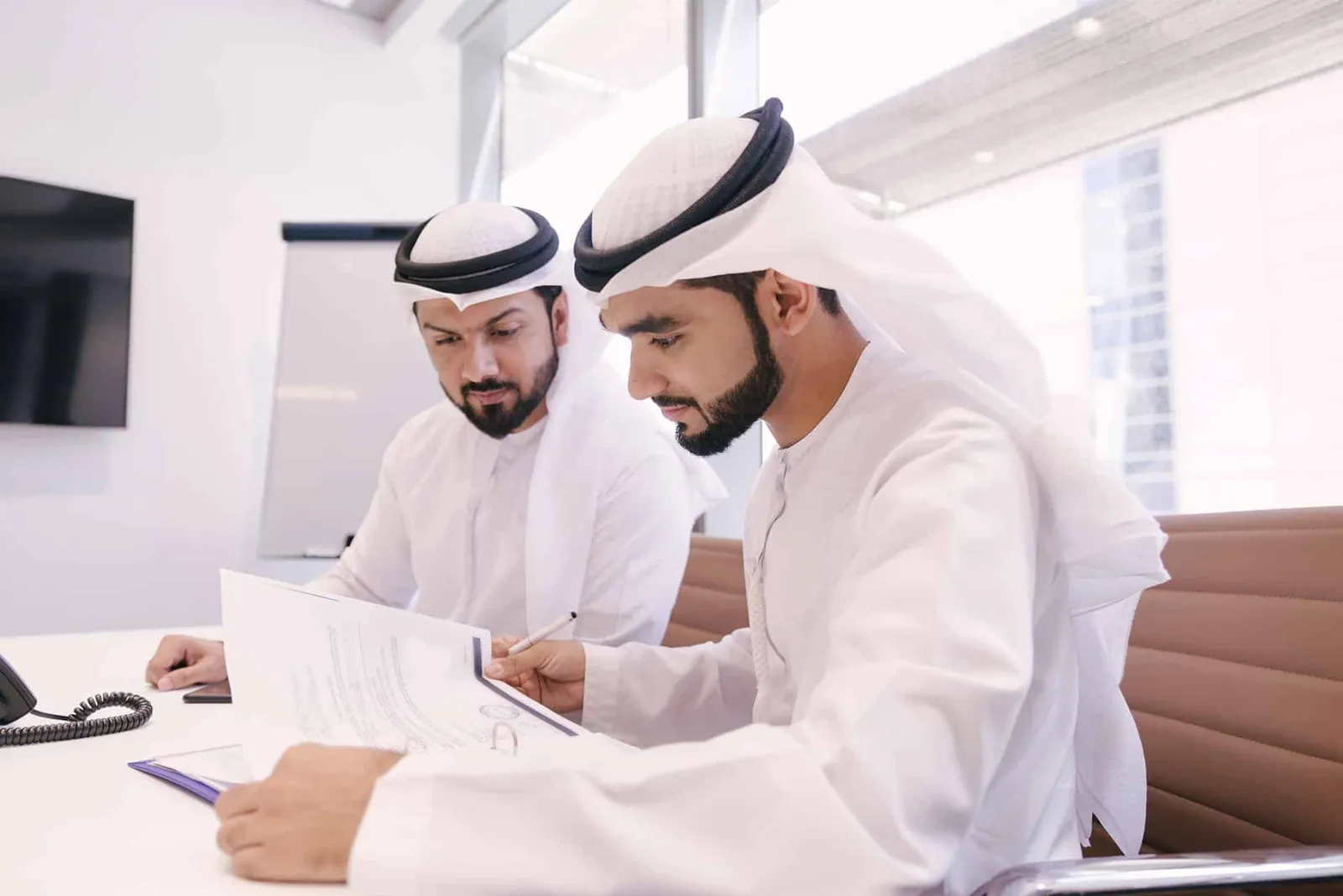
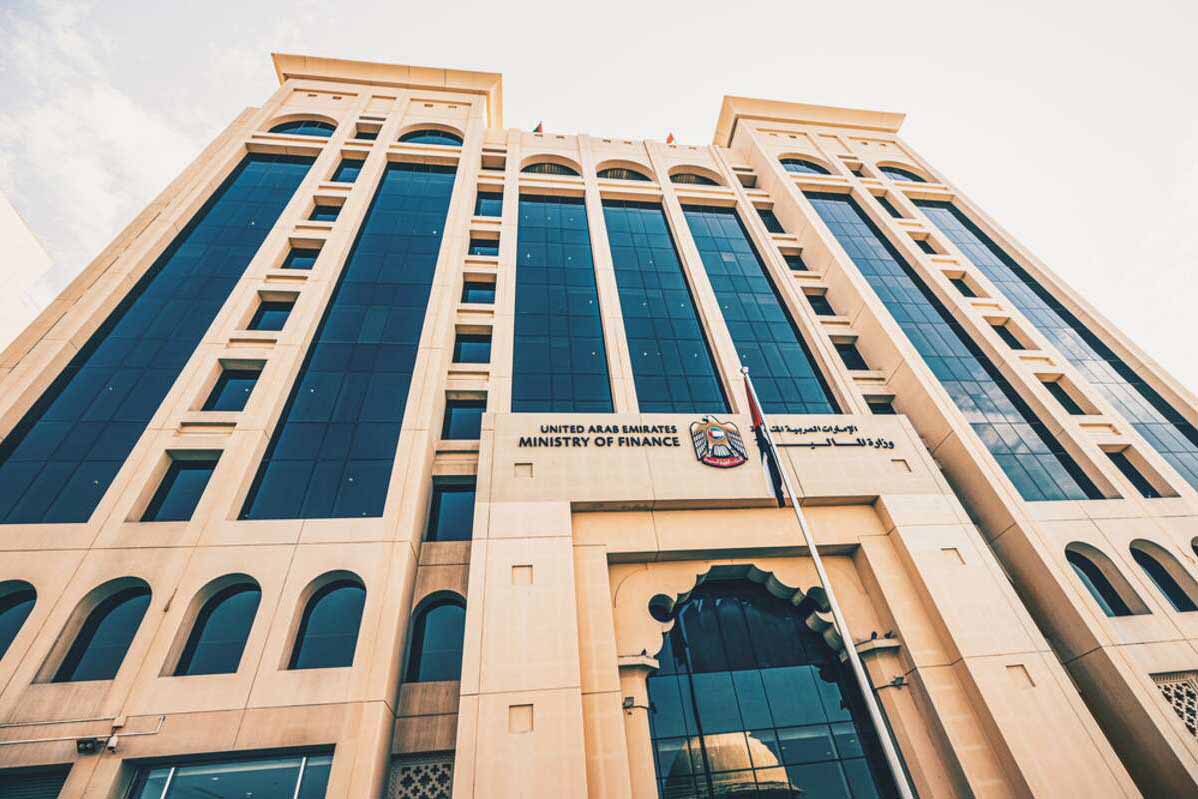
To live in Dubai at all, or. Emigrate to Dubai To be able to do this, a residence visa is required. This residence visa is usually obtained through a job, establishing a company and employment within one's own company, or through investment. The Company formation in Dubai is sometimes one of the most common ways for many expats who were previously self-employed.
Investors prefer buying property or making a bank deposit. Currently, there is no minimum amount for real estate investments, however, those who invest more than 2 million AED will receive a Golden Visa.
Those who meet the requirements only need to undergo a brief medical check on-site, fill out forms such as the Emirates ID Application, and submit their fingerprints once for biometrics. This usually takes only a few business days if well-organized.
Living in Dubai: Pros and Cons
Life in Dubai is very special and hardly comparable with any other city in the world. Mostly for the better, but in some respects for the worse. No place in the world is perfect, but here are the most important points that speak for and against life in Dubai.
Advantages
Living in Dubai has numerous advantages. Here is an overview of the main aspects that speak in favor of Dubai.
Taxes
The first point that many people think of is, of course, tax. From Dubai offers numerous advantages from a tax perspective, especially in direct comparison to Germany, Austria or other (European) countries. At a private level, you enjoy complete tax exemption and pay no taxes on income, capital gains, dividends and all other income.

At the entrepreneurial level, depending on turnover, you pay 0-9% tax with an allowance of USD 100,000, which is still excellent by international standards.
The bottom line is that much more of the money earned is left over to live on, even if the basic costs of living are somewhat higher. More on this later.
Safety
More and more people are missing safety in Europe, especially in major European cities. On the other hand Dubai among the safest cities in the world. Crime is lower than in any other place. Dubai is no exception, as 5 of the 10 safest cities in the world - half of them - are in the United Arab Emirates.
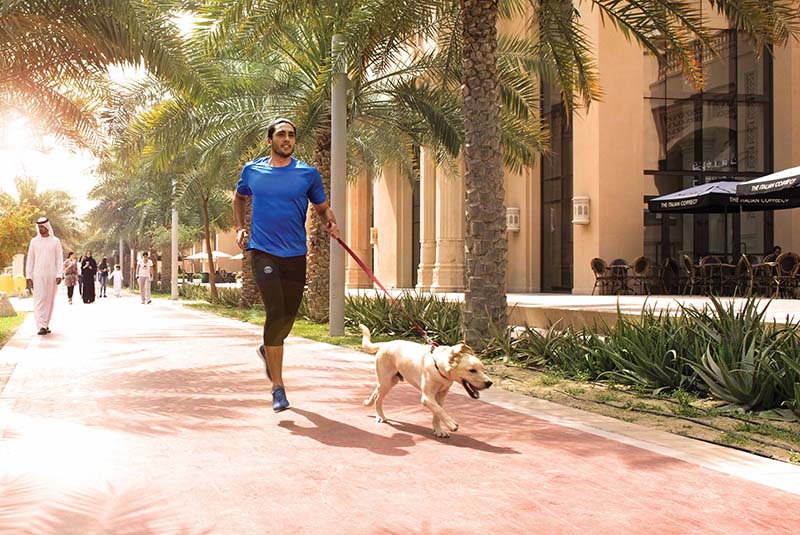
Many people are already familiar with the numerous social experiments on social media in which valuable watches, bags, cell phones or even cash are deliberately forgotten in public places. This actually corresponds to reality, as Dubai is so safe that everyday crime such as theft or burglary hardly ever takes place. Of course, you don't have to provoke it, but you don't need to be afraid if you forget something or deliberately leave your luxury watch on the beach lounger to go for a quick dip.
Infrastructure
One of the biggest aspects in Dubai's favor is definitely its infrastructure. This can be broken down into many areas, but in general it can be said that Dubai has an excellent infrastructure. Here is an overview of the most important areas:
- Healthcare Dubai offers an extensive infrastructure when it comes to healthcare. Numerous international hospitals have established themselves here. These include the Mediclinic, the Saudi German Hospital, King's College Hospital and more. These hospitals also attract internationally renowned doctors from different countries and offer excellent services in various medical fields.
In addition, there are also numerous alternative medical facilities in the field of regenerative medicine. However, one should know that one is generally responsible for one's own Health insurance in Dubai must arise. In practice, however, it is repeatedly seen that the costs for this are lower than in Germany, Switzerland or other European countries. - Schools / Education One point that is attracting more and more families and motivating them to emigrate to Dubai are the excellent schools and universities. Most of these are private and internationally recognized. These also include purely German-speaking schools such as the German International School Dubai.
- Sport & Leisure The range of sports and leisure activities in Dubai is diverse and you will find every sport that can be practiced indoors, as well as a wide range of water sports. Popular sports in Dubai include weight training, martial arts, yoga, padel, tennis, golf and cycling.
- Transportation Ubers and taxis are relatively inexpensive and available within minutes at any time of day. This is also why more and more people are forgoing car ownership. Another point that falls under this is DXB airport. It is one of the best-connected airports in the world.
Location
Another key advantage of Dubai is its geographical location. Dubai is situated in the Middle East, between Asia and Europe. There are direct flights to all relevant cities in both directions. Dubai, or DXB, often serves as a transfer airport for numerous flights. This makes it very well connected to the rest of the world from an aviation perspective. There are also now many direct flights to the USA, South America, and Australia.
From a war perspective, Dubai is also in a safe position, as the UAE is a neutral country and has deep political and economic agreements with both Western and Eastern countries. The current conflicts in Europe, Ukraine and Russia are completely unnoticed.
Disadvantages
As previously mentioned, there is no perfect place to live. Dubai also has certain disadvantages that you only become aware of when you live in the city for a longer period of time. However, the disadvantages here are also somewhat subjective, depending on your personal feelings and living situation.
Heat in summer
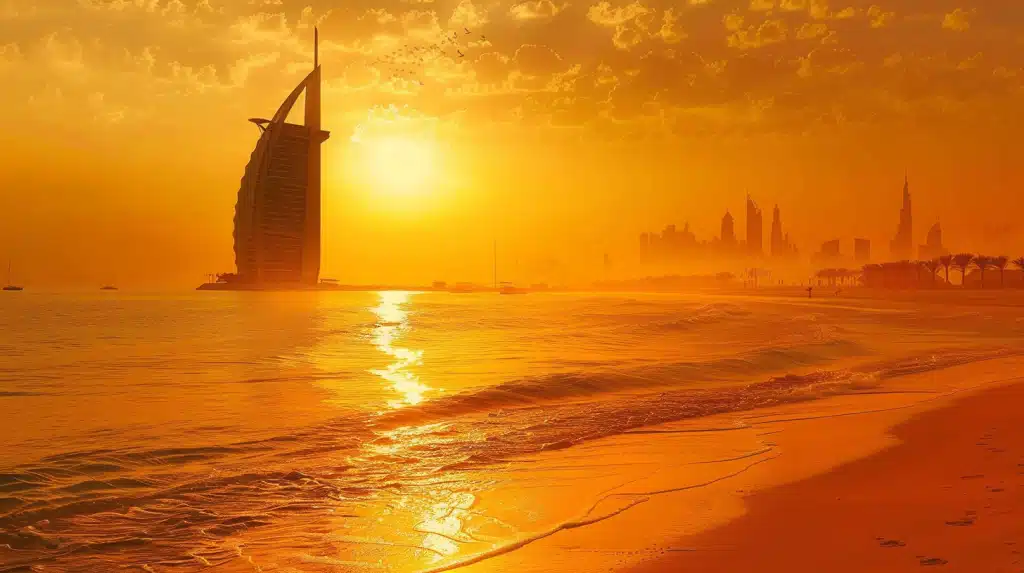
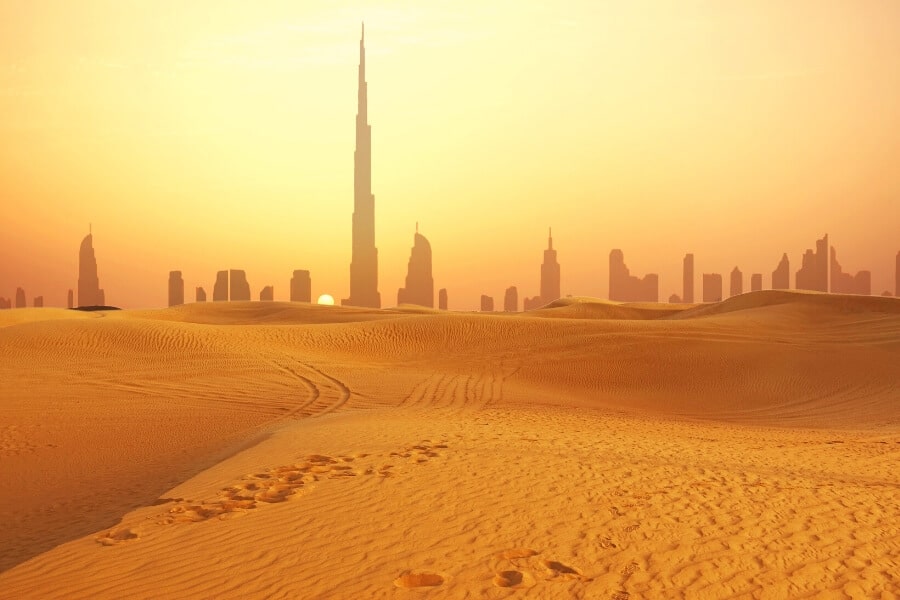
The main disadvantage of living in Dubai is probably primarily the Heat in summer. Temperatures climb to over 40 degrees Celsius during the summer months from June to September, and it doesn't get cooler than 30 degrees Celsius at night during the summer. In these months, life primarily takes place indoors, or many expats travel and take summer vacations in cooler regions. Those who can afford it work remotely during this time or spend their lives at a second home in Europe.
However, most people stay in Dubai and spend most of their time indoors. Work, sport and leisure take place in air-conditioned buildings.
In the transitional months as well as winter (October to May), you can enjoy pleasantly warm weather with plenty of sunshine. Temperatures here range from 20 – 30 degrees Celsius during the day, depending on the month.
Road traffic
Even though Dubai has excellent infrastructure, public transportation is still not as well-developed. Consequently, many people resort to using cars, which leads to heavy traffic. As a result, kilometer-long traffic jams sometimes form in certain areas during rush hour.
Meanwhile, the government has reacted and is investing extensively in further roads and the expansion of public transport. However, one should definitely still avoid rush hour on certain routes at the moment.
Build quality
A point that definitely needs to be made is the lack of construction quality in Dubai. Especially when compared to Central European countries, the average quality is significantly lower. Due to criticism, it has improved considerably in recent years, and developers who meet this demand have emerged. However, the average quality is simply worse.
Leisure activities
Dubai offers a wide variety of leisure activities that significantly enhance the quality of life in the metropolis. Above all, the strong infrastructure in the area of sports facilities contributes to this.
Padel
Padel is one of the fastest-growing sports in the world. The hype is also noticeable in Dubai. With well over 100 padel facilities in Dubai alone, the city is made for the racket sport. From the simplest padel halls in industrial areas to premium facilities with top international coaches and players, there is something for every skill level.

Golf
Many underestimate how good the infrastructure is, also in the area of golf. Dubai now offers over 13 top-class golf courses and has become a popular destination internationally for amateurs as well as professionals to tee off.

Beach / Water Sports
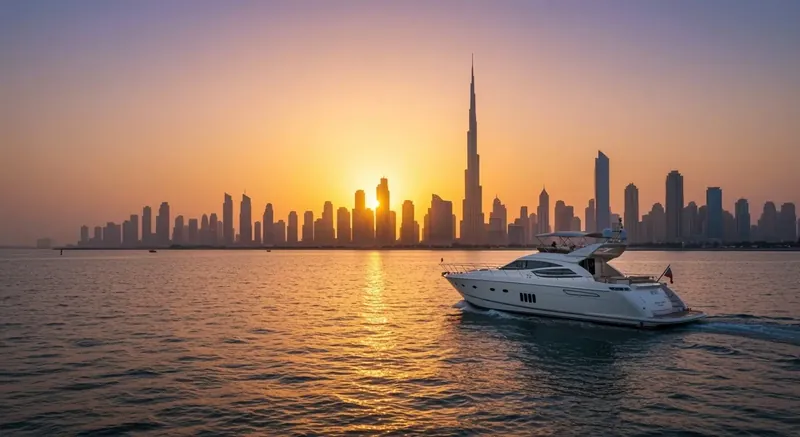
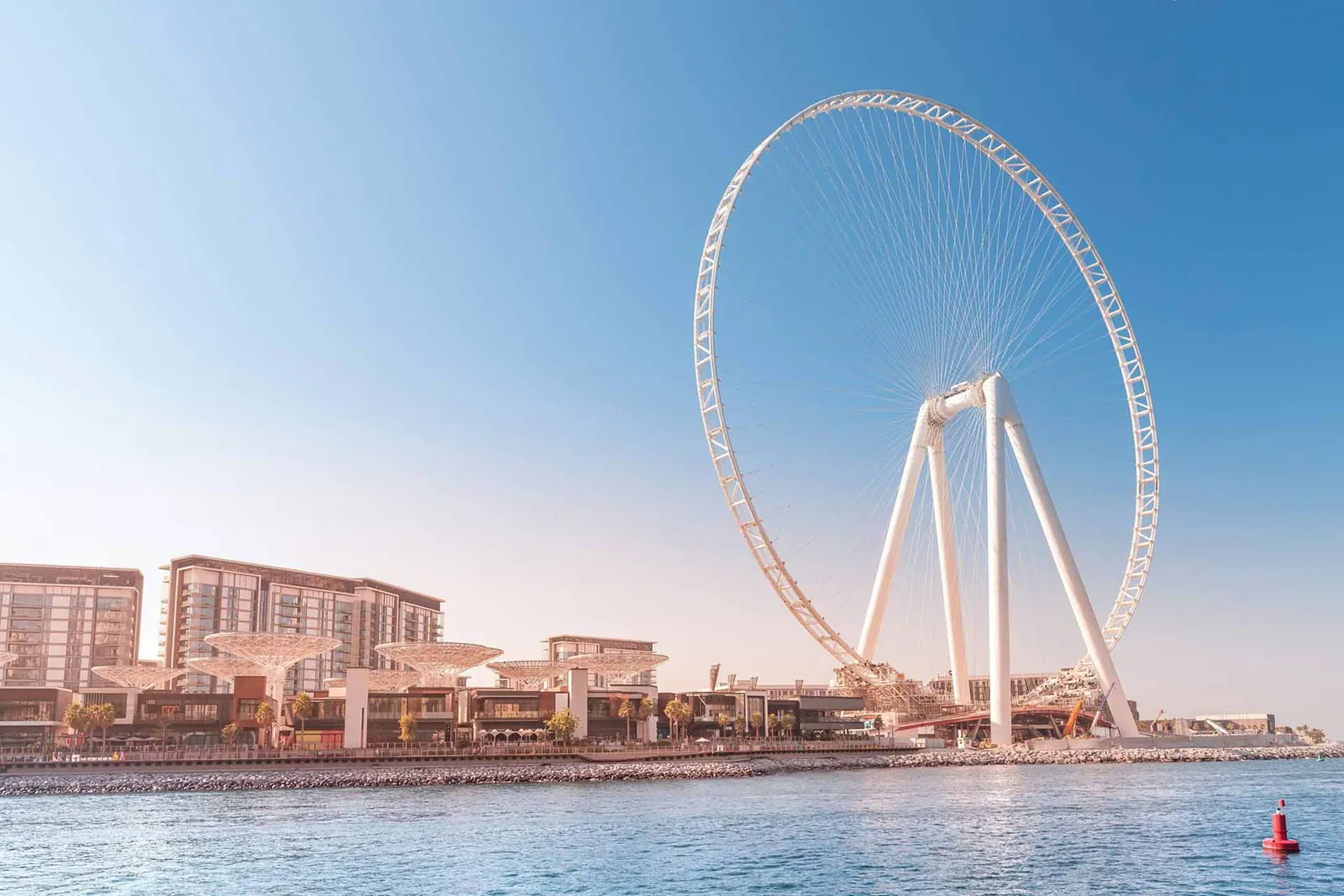
Anyone who enjoys walking on the beach, sunbathing, or participating in active water sports (e.g., kitesurfing) will get their money's worth in Dubai. The city is located directly on the Arabian Gulf and offers dozens of kilometers of sandy beaches with promenades. The most well-known public beach for locals is Kite Beach. Tourists are usually drawn to JBR Beach, with views of The Palm.
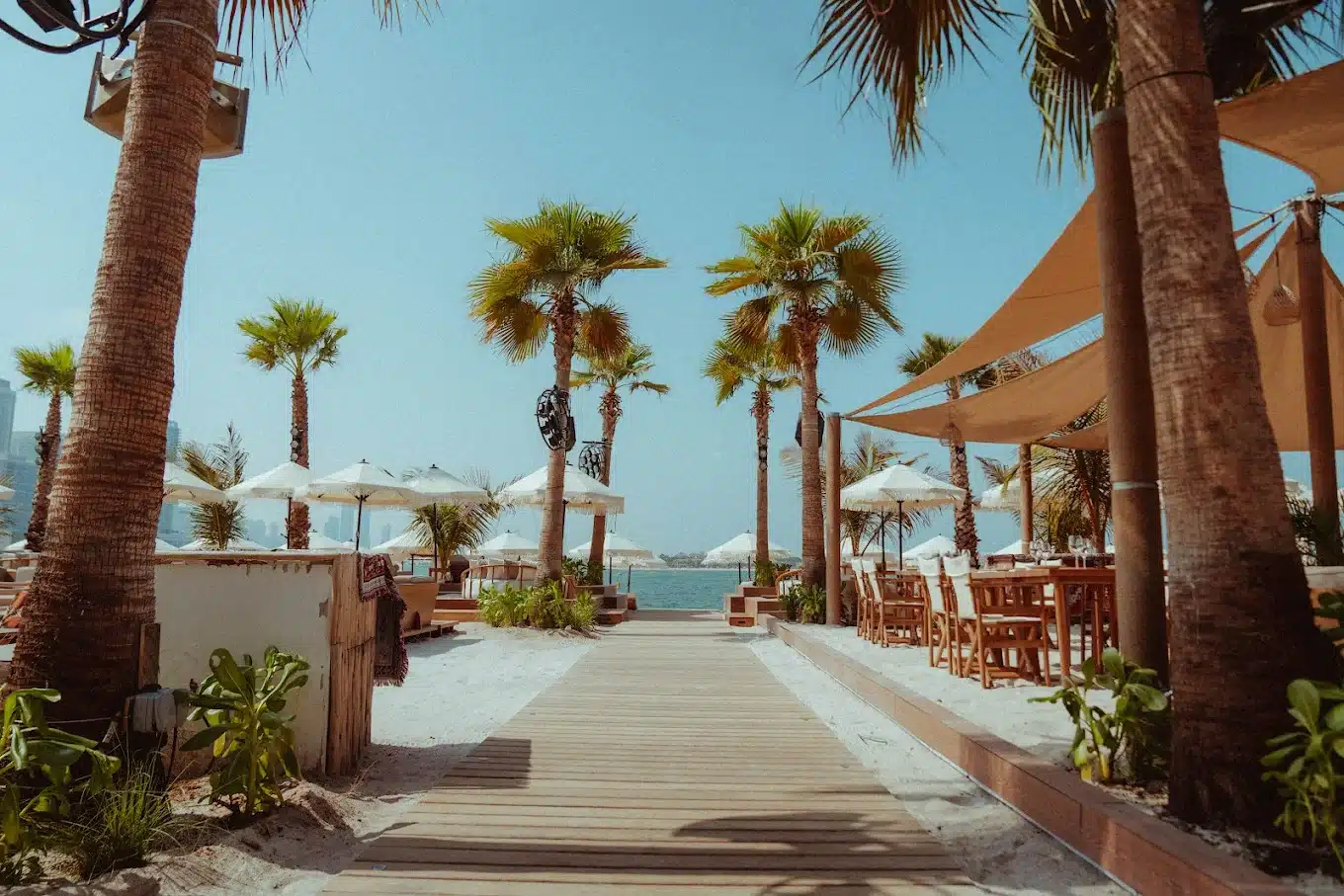
Those who like it fancy should visit one of the numerous exclusive beach clubs. This activity is especially suitable for singles and for partygoers in the evening.
Hiking
Many people don't even know that there are several mountain ranges near Dubai that are also suitable for hiking. North of Dubai is the so-called Jebel Jais, the highest mountain in the UAE. It's about a 1.5-hour drive away.
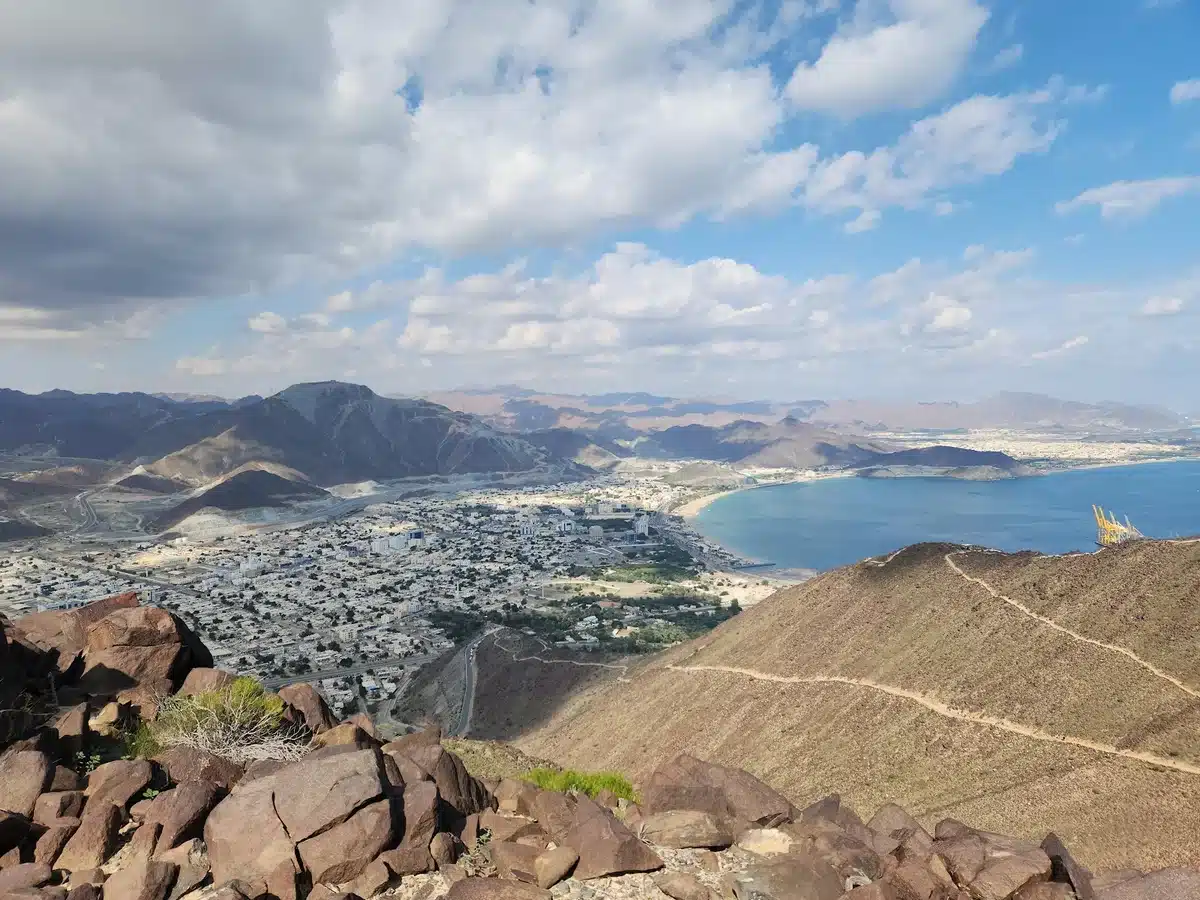
Khor Fakkan is also located at a similar distance, with mountain formations on the other side of the UAE on the coast of the Gulf of Oman. Of course, these hiking routes are not comparable to those in the Alps, but they offer a nice change from city life.
Yoga / Pilates
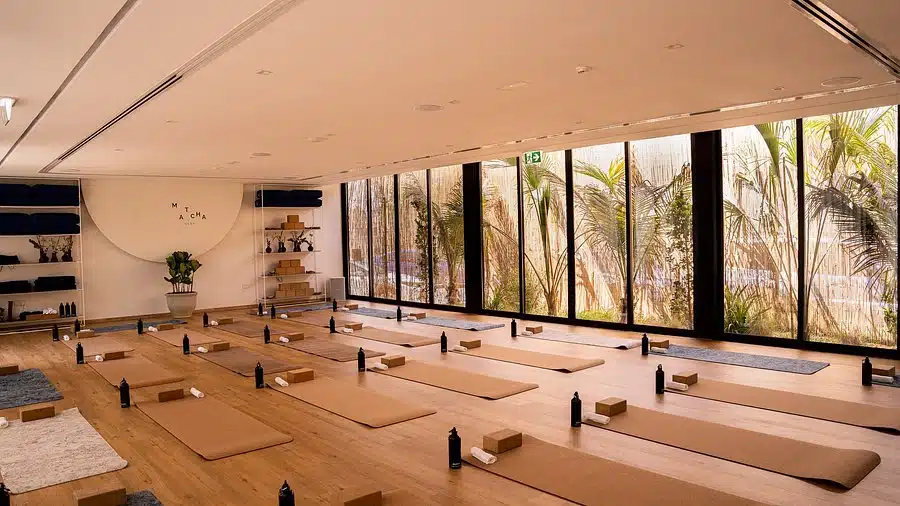
Dubai is an absolute hub for matcha drinkers and Pilates and yoga enthusiasts. There are countless establishments in Dubai that cater to these trending sports, and they are usually connected to cafes and restaurants offering healthy food.
Community: Who lives in Dubai?
Dubai is now made up of nearly 90 % expats, and only 10 % of the population are Emiratis. According to current statistics, well over 150 nationalities are represented in the city. Dubai is home to people from a wide variety of backgrounds who are united by one thing: a secure life with a future.
People generally don't move to Dubai to lie around in a hammock and live off social welfare at a subsistence level, but rather to make a difference and build a future. Meanwhile, in addition to many young professionals and entrepreneurs, numerous families have also emigrated to Dubai.
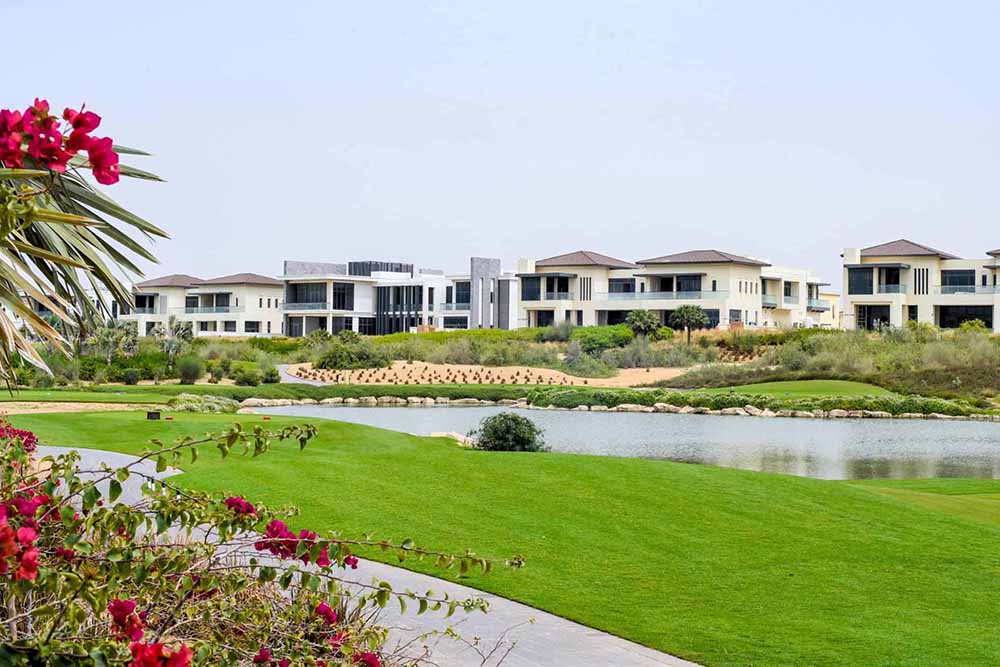
The trend is so strong that developers are increasingly building communities with houses and townhouses. Examples include Dubailand, Tilal Al Ghaf, Damac Hills, Dubai Hills, and Arabian Ranches.
Where to live in Dubai? The best areas
Dubai is a large city and the selection is accordingly diverse Neighborhood. Compared to European cities, Dubai does not have a classic city center with a town hall, but rather various hotspots, each offering different advantages.
Below is an overview of the best residential areas in Dubai for expatriates of all kinds. Ultimately, however, everyone has to decide for themselves where they feel most comfortable. Accordingly, apartment hopping is recommended at the beginning.
- Dubai Creek Harbour
- Dubai Hills
- Emaar Beachfront
- Downtown / Business Bay
- Port de La Mer
- Damac Hills
- Arabian Ranges
- JVC
Culture
The culture in Dubai is one of the most diverse in the entire world. Although the country is Islamic in origin, you notice in everyday life how present cultures and religions from all over the world are. For example, entire neighborhoods are colorful when Indians celebrate the Holi Festival, or you see Christmas trees in numerous shopping malls and public parks in December.
During local holidays like Ramadan, Dubai is noticeably quieter. In the past, there was a very strict adherence to not consuming food or drinks in public during the day. Those who are respectful are mindful of this themselves, although in practice, it is no longer as strictly enforced or controlled.
Laws
One of the biggest differences from living in many European or Western cities are the culture and laws. The UAE, including Dubai, has certain areas where the laws are very strictly written and also enforced. This is partly also the reason why Dubai is one of the safest and cleanest cities in the world. Crime is practically non-existent in everyday life.
Below is an overview of criminal offenses and their penalties:
- Verbal abuse
Up to 5,000 AED or 6 months in prison for public insults. For insults online, penalties can be even higher, ranging from 250,000 to 500,000 AED. - Running a red light The penalty for drivers who ignore red lights is 1,000 AED and confiscation of the car for 30 days.
- Speeding
Speeding is very expensive in the UAE. In Dubai, you pay 300 AED for violations of up to 20 km/h. For violations of 50 km/h or more, the fine is 1,500 AED and the car is confiscated for 15 days. - Pollution
Minor pollution such as littering packaging results in a fine of 500 AED. Improper waste disposal 1,000 – 5,000 AED. - Assault and battery
Minor bodily injuries without permanent damage (20-day limit) are already punishable by up to one year in prison and a fine of up to 10,000 AED. Depending on the severity of the injury and intent, the penalties can also be much higher. - Theft
Depending on the amount and force used, the penalties vary greatly. Simple shoplifting without violence, however, is already punished with 6 months imprisonment.
In practice, however, one should basically not worry too much. Because those who treat their environment and fellow human beings with respect will not encounter such problems and penalties. These were just examples to illustrate that even minor criminal activities are severely punished in the UAE.
The following activities should still be avoided for reasons of respect (and are theoretically punishable, even if rarely prosecuted):
- Kissing in public
- Do not eat or drink in public during Ramadan
- Visit places of worship clothed.
- Alcohol consumption in public outside of restaurants, clubs, hotels, or one's own apartment/house. (Parks, promenades...)
Costs
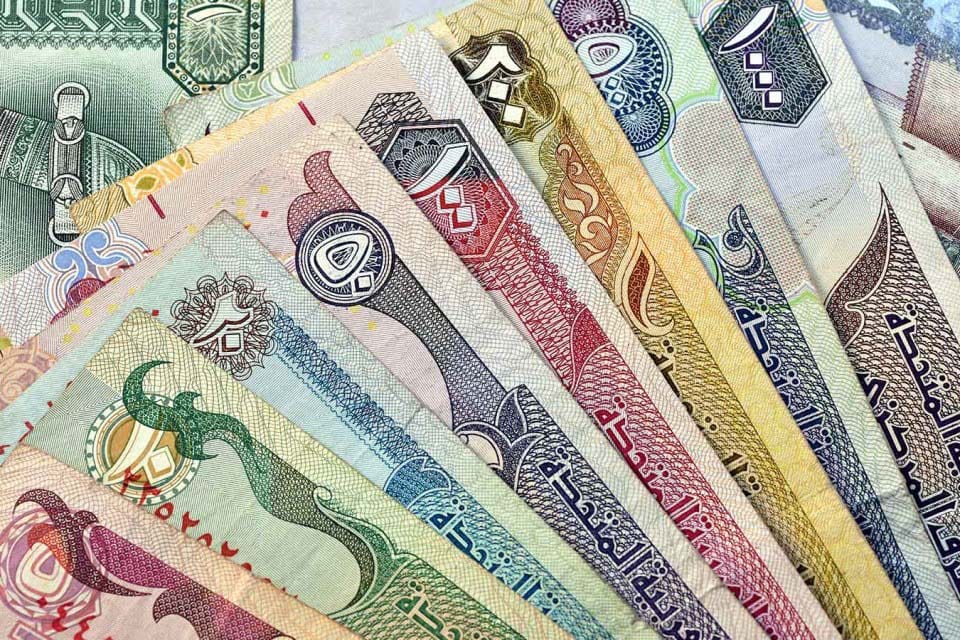
The Cost of living in Dubai are a crucial factor when it comes to Emigration to the city on the gulf is going. Compared to Central Europe, life in Dubai is generally more expensive, especially regarding housing and groceries. Only cities like London, Paris, and Munich can compete with the rents.
Below is a monthly cost breakdown for various life situations.
Individual: 4,000 – 5,000 € / month
Anyone emigrating to Dubai as a (young) single generally doesn't need much to live on. A one-bedroom apartment or a studio apartment near the city center, as well as groceries and a budget for sports and leisure, are the main cost factors. As a rule, monthly living expenses here are around €4,000 – €5,000 per month, or more depending on personal preferences. Below is an example breakdown.
- 1BR Apartment: €2,000 (incl. utilities in Creek Harbour or Dubai Hills)
- Groceries: €800
- Restaurant / Take Away: 250 €
- Taxi / Uber: €250
- Sports / Leisure: €250
- Insurance 200 €
- Internet & Phone 150 €
- Hygiene products €100
Family with Child: €7,500 / Month
As a family with a child, life in Dubai is significantly more expensive, since the costs of housing, school, and childcare are factors that definitely make a difference financially. Based on experience, the cost of living is 50 % higher than for a single person.
- 2 Bedroom Apartment: €3500 (incl. utilities in Creek Harbour or Dubai Hills)
- Groceries: €1200
- School: €1,000 (for good international schools)
- Restaurant / Away: €350
- Taxi / Uber / Car: 500 €
- Sports / Leisure: €250
- Insurance: €500
- Internal & Handy 250 €
- Hygiene products 200 €
Experience
In our experience, life in Dubai is very different compared to European countries and is also very much a matter of personal choice. The city is not only ideal for working and running a business, but also for starting a family in a safe environment. This is also the reason why more and more families are now emigrating to Dubai and why more houses and townhouses are being built.
The fast-paced party city for singles is slowly transforming into a residential area that is becoming very family-oriented and where more and more people are living long-term. As a result, not only young people are moving out, but also older people up to retirement age.
Frequently asked questions
Here are the most frequently asked questions when it comes to living in Dubai.
Where do Germans live in Dubai?
Communities have now formed in Dubai that are very popular depending on their origin. Dubai Hills, Creek Harbour and Emaar Beachfront are currently particularly popular with Germans, Swiss and Austrians.
What is life like in Dubai as a woman?
Life as a woman in Dubai has many preconceptions, most of which tend to be negative. In reality, however, things are different. As a woman in Dubai, you enjoy almost all the same rights as men. Of course, women are allowed to drive cars, open bank accounts and move and dress as they wish. In addition, a woman's life is far safer than in many other major European cities.
Do I have to speak Arabic to live in Dubai?
No, it is not necessary to speak Arabic in Dubai. English is a recognized official language and is perfectly adequate.
Summary
To summarize, life in Dubai is unique and offers many advantages for expats. It is not for nothing that more and more people are emigrating to Dubai. The city on the Arabian Gulf impresses with its low taxes, high level of security, excellent infrastructure and good connections. Those who can cope with the warm temperatures in summer will enjoy life in Dubai.
Thinking about moving to Dubai?
Get our free Dubai relocation guide now: 7 tips on moving, company formation, visas & more.
You might also like